

A patient opens the door to her doctor.
Someone accepts a ride from a police officer.
A child follows an adult who appears willing to help.
In several of the highest-victim serial murder cases, the first encounter looked ordinary. Sometimes the person who would become a killer was someone the victim had every reason to trust.
Then there are the numbers. Dozens of deaths. More than a hundred. In one medical case, an official inquiry estimated approximately 250 victims.
But the question that draws me deeper into these cases is what the numbers cannot explain: what did the killer want badly enough to keep doing it?
The answers vary. Some crimes involved sexual violence. Others involved money, attention, or an offender’s claimed desire for revenge. In some cases, even extensive investigations never established a clear motive.
Why There Isn’t One Reliable Worldwide Ranking
A murder conviction, a corroborated confession, and an estimated victim count are different things.
Harold Shipman was convicted of 15 murders, but the public inquiry into his crimes reached a much larger total. Samuel Little confessed to 93 killings, while investigators had definitively matched more than 60 confessions to victims by December 2021.
Putting “15” beside one name and “93” beside the other without explanation would badly misrepresent both cases.
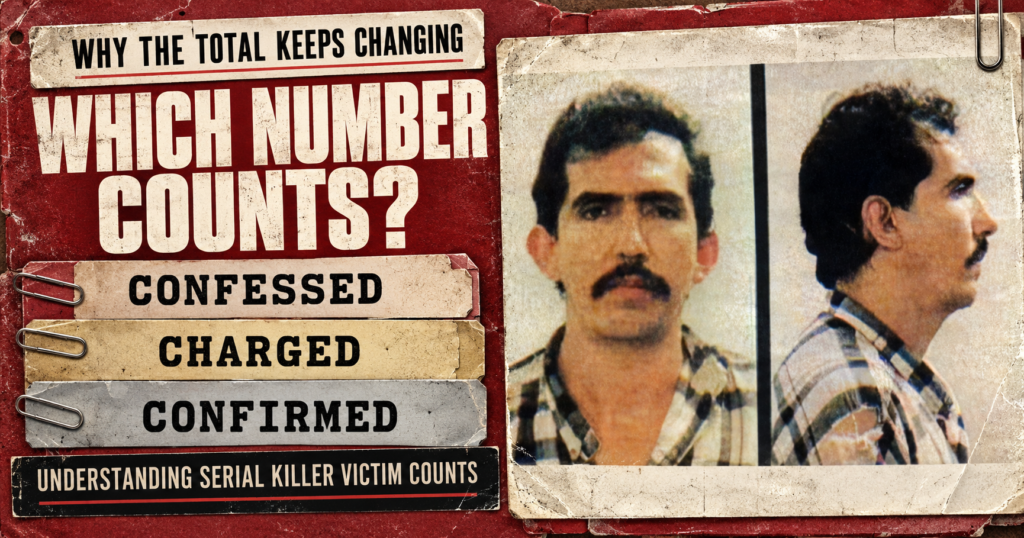
This article covers 10 serial killers associated with exceptionally high victim counts. It is not a definitive first-through-tenth worldwide ranking. The available evidence is too uneven for that, and some totals remain disputed or change as investigations continue. The different kinds of evidence behind changing victim totals are explained in why serial killer rankings keep changing.
For each case, the distinction between what was established and what was claimed matters as much as the headline number.
1. Harold Shipman
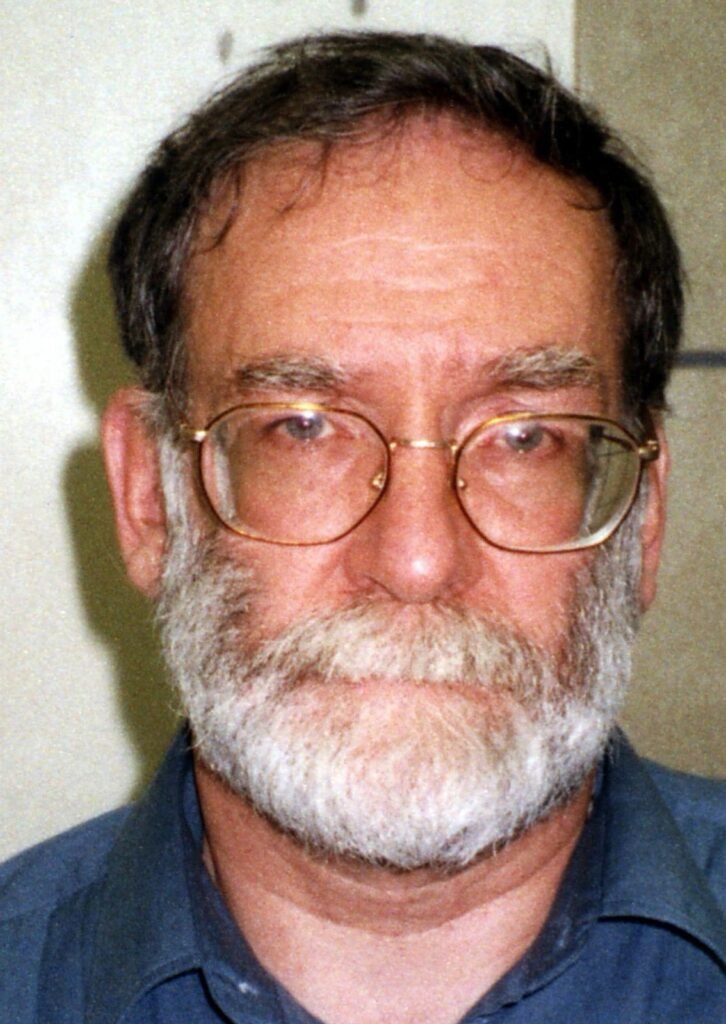
Victim count: 15 murder convictions; approximately 250 victims estimated by the final public inquiry.
Country: United Kingdom.
Motive: Not conclusively established.
Shipman’s patients trusted him with their health. That trust placed him in a position to kill repeatedly while appearing to perform the duties of a family doctor.
He was convicted in 2000 of murdering 15 patients. The inquiry subsequently examined a much broader history, initially identifying at least 215 killings and eventually estimating approximately 250 victims.
His crimes were exposed after the death of Kathleen Grundy and the discovery of a forged will that benefited him. But that financial deception does not explain the entire murder series. Reporting on the case describes his broader motive as unresolved.
The uncertainty is part of what makes Shipman so disturbing.
We can identify the authority he abused. We can examine the opportunities his profession gave him. We cannot honestly reduce hundreds of deaths to one proven psychological explanation.
2. Luis Garavito
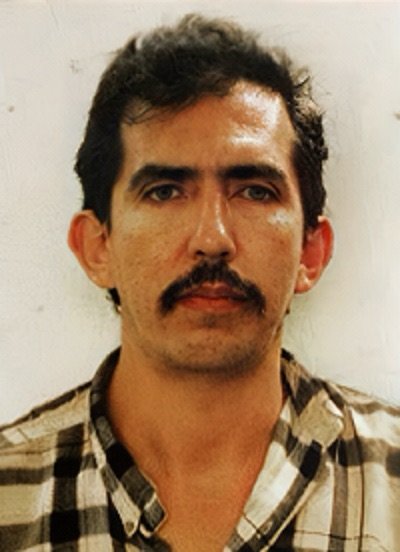
Victim count: 138 murder convictions reported by Colombian news coverage; confessions exceeding 190 killings.
Country: Primarily Colombia.
Motive: Sexual predation; no single explanation accounts for every crime.
Garavito targeted children, many from low-income families. Associated Press reporting described how he used different appearances, including posing as a monk or street vendor, to approach victims before abusing and killing them.
Colombian broadcaster Noticias Caracol reported 138 murder convictions. His larger confession total should be identified separately.
The sexual violence is a documented feature of the crimes. Explaining the entire series through childhood experiences, anger, or a particular diagnosis would require more certainty than the evidence allows.
What stands out is his repeated access to vulnerable children. His victims had lives and families. Poverty did not make them less important, even when it made them easier for a predator to approach.
3. Pedro López
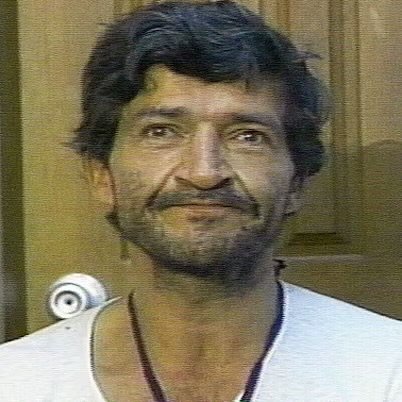
Victim count: 110 murders in Ecuador reported in contemporary coverage; claims of hundreds more.
Countries: Ecuador, with additional crimes claimed in Colombia and Peru.
Motive: Sexual violence and pleasure in killing, according to accounts of his statements. The legal decisions behind López’s release are examined in the legal decisions behind López’s release.
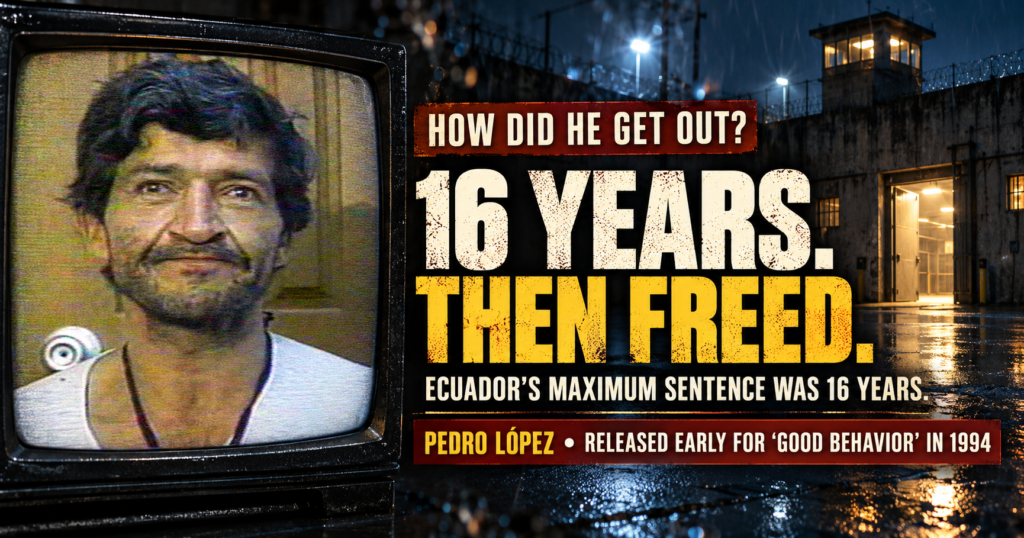
López is frequently assigned a total above 300 in online lists. That figure should not be presented as hundreds of individually proven murders.
A 1992 report described his conviction for murdering 110 girls in Ecuador and his claims of additional killings elsewhere. It also reported that he had led investigators to the graves of 53 victims.
In the same account, López described excitement at the moment of death. His reported crimes involved sexually assaulting young girls before killing them.
Those statements offer evidence about his reported motivation. They are still statements from the offender, not an independent window into every part of his thinking.
The established case is horrific without treating his largest claims as settled fact.
4. Javed Iqbal
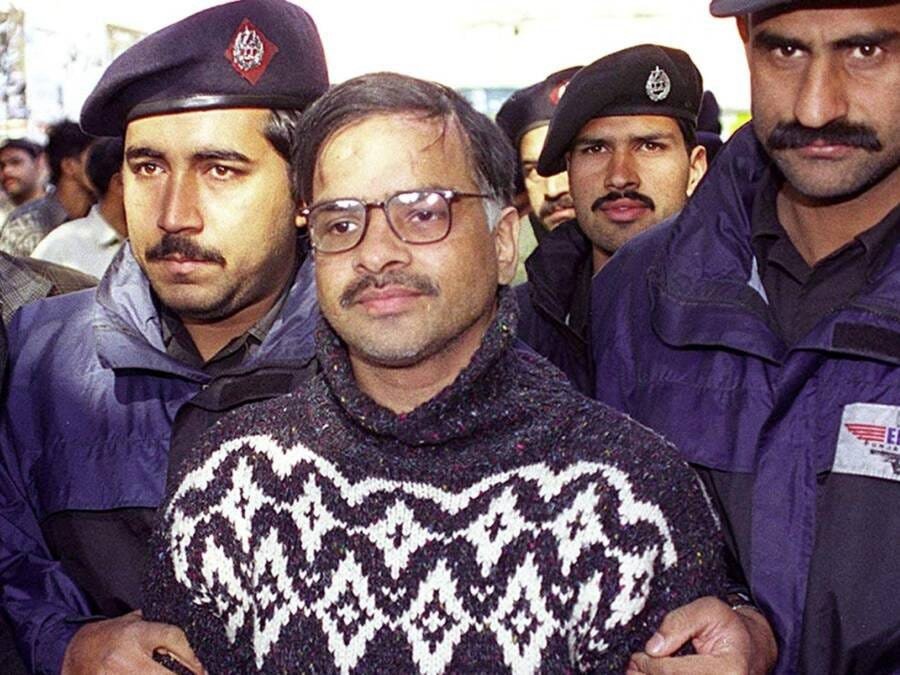
Victim count: Convicted of murdering 100 boys.
Country: Pakistan.
Motive: Claimed revenge against police, alongside reported sexual abuse.
Iqbal’s case brought attention to vulnerable boys in Lahore, including children living in poverty or begging.
Contemporary reporting described his admission to killing 100 children and his claim that the murders were revenge for mistreatment by police. He later withdrew his confession and offered a different explanation, saying he had intended to draw attention to the plight of vulnerable children. The court rejected that account.
His conviction for the murder of 100 boys was reported at the time.
“Revenge” must therefore be labeled as his claimed motive.
It also leaves a terrible disconnect: the children were not the police officers he accused. Whatever grievance he claimed, it did not explain away his choice of victims.
5. Niels Högel
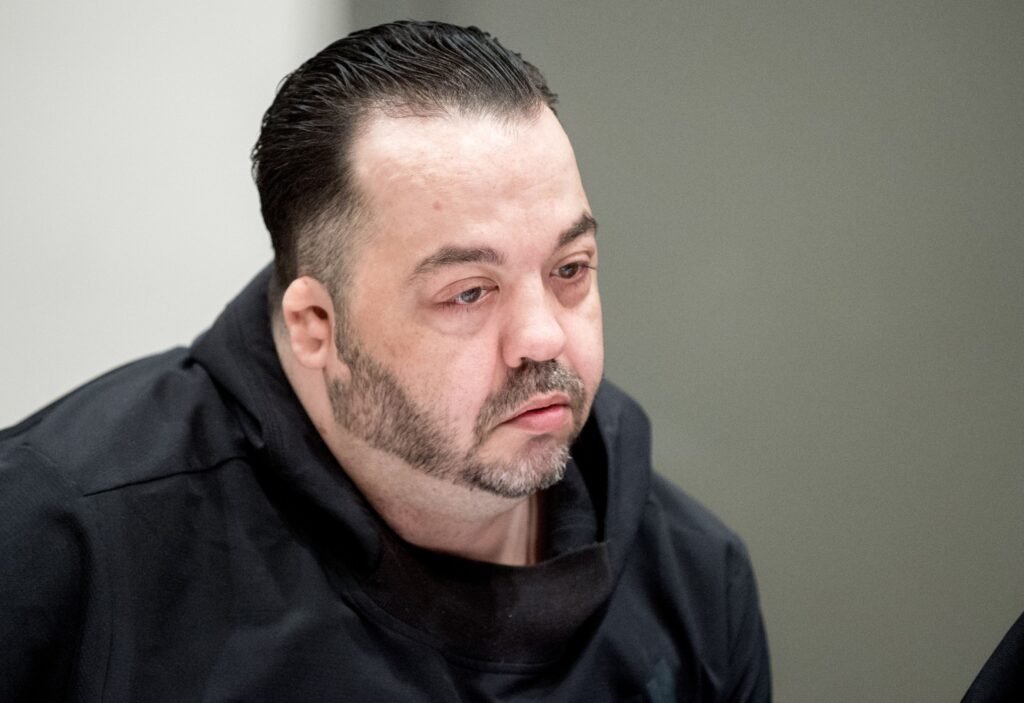
Victim count: 85 murder convictions in his 2019 trial, following earlier convictions.
Country: Germany.
Motive: Creating medical emergencies so he could attempt resuscitation and receive recognition. This case is examined in greater depth in our look at high-victim serial killers and their motives.
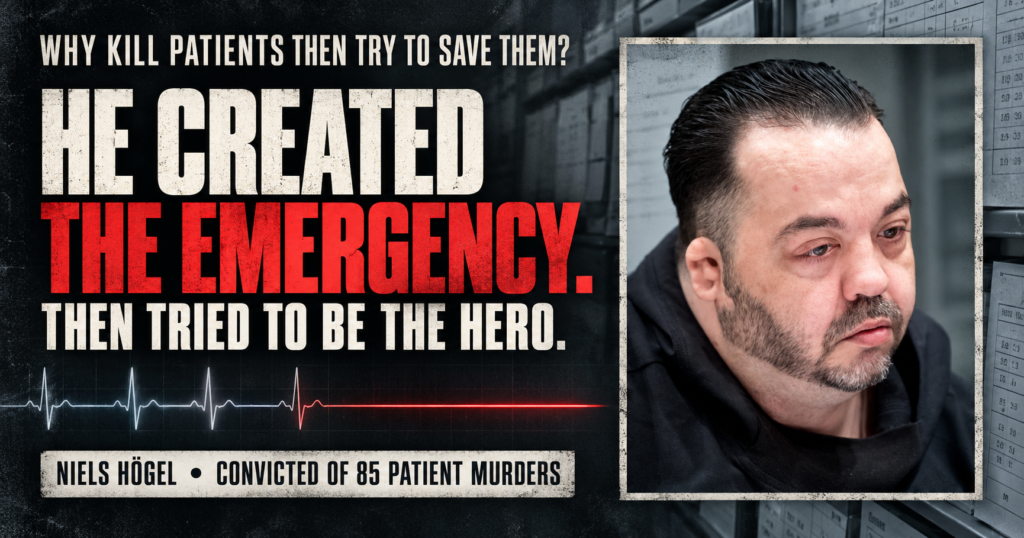
Högel worked as a nurse. He deliberately caused patients to go into cardiac arrest, then attempted to revive them.
Reporting on his conviction described his enjoyment of resuscitation. His actions placed patients in danger so that he could occupy the role of the person trying to save them.
In 2019, a German court convicted him of 85 murders. The victims included people with different medical conditions, some seriously ill and others recovering.
This case is especially difficult to absorb because a rescue attempt normally signals help.
Here, the emergency itself could be the killer’s creation. The activity that made him appear valuable to colleagues was connected to the danger he inflicted on patients.
6. Mikhail Popkov
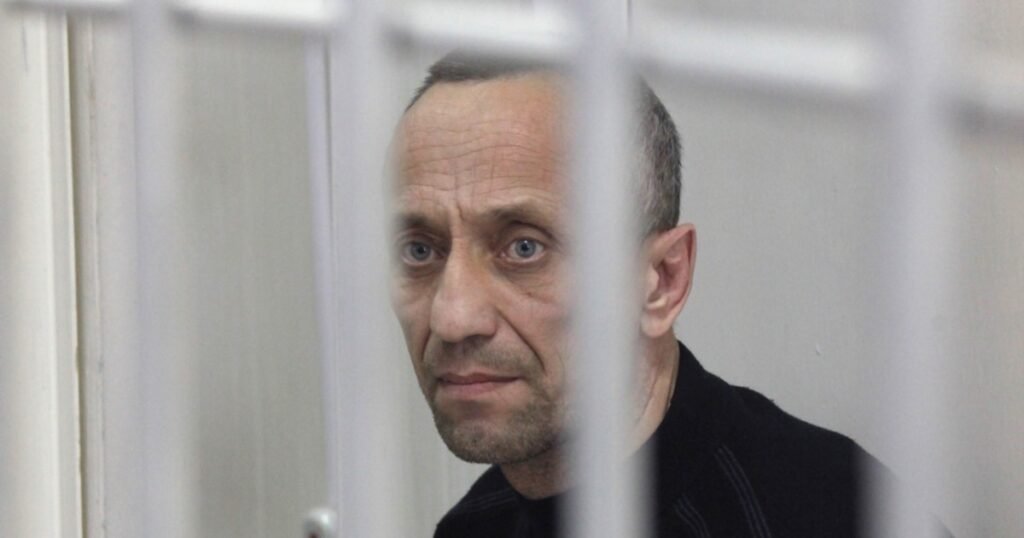
Victim count: 78 murder convictions established by 2018; subsequent cases increased his total.
Country: Russia.
Motive: Claimed moral punishment of women, with sexual violence documented in the crimes.
Popkov was a police officer who offered women late-night rides, sometimes in a police vehicle.
By December 2018, two sets of convictions covered 78 murders. Reporting also described convictions for rape.
He portrayed himself as someone “cleaning” his city of women he condemned. But reporting noted that his victims included a teacher and shop assistants. His description of them must not be accepted as fact.
Later prosecutions added victims, so 78 is a dated, established minimum here rather than a current final total.
The betrayal is immediate: a police officer’s offer of help became a way to gain access to someone he intended to harm.
His claimed justification tells us how he presented his actions. It does not make his judgment of the women truthful.
7. Daniel Camargo Barbosa
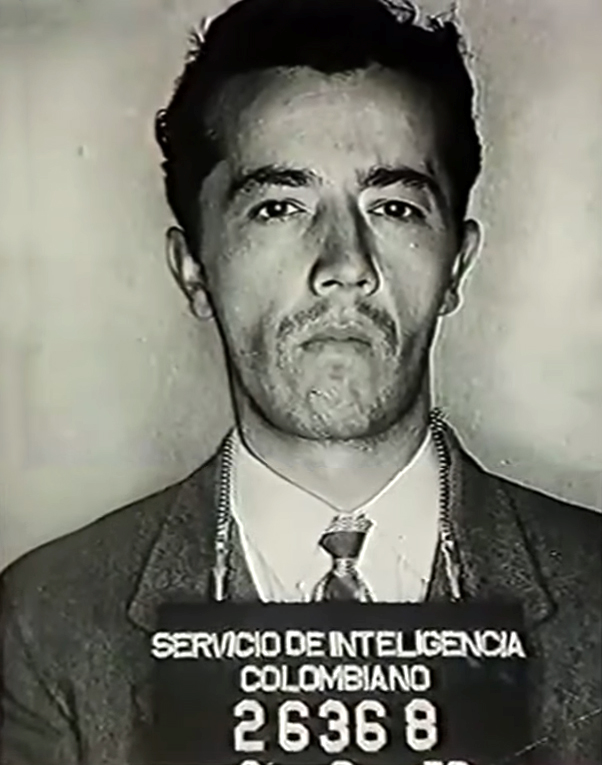
Victim count: Commonly reported at 72; larger estimates remain uncertain.
Countries: Colombia and Ecuador.
Motive: Sexual predation.
Camargo sexually assaulted and murdered girls and young women. Accounts of his crimes place particular emphasis on victims in Ecuador after his escape from imprisonment in Colombia.
Published totals vary substantially. The frequently cited figure is 72, while some accounts suggest more than 150 victims. Those larger estimates should not be treated as a verified list of deaths.
The documented pattern supports describing him as a sexual predator. It does not justify repeating every dramatic explanation offered in later retellings.
With a case like this, restraint makes the story stronger. The crimes are already devastating. An unsupported psychological backstory adds certainty the record does not provide.
8. Yang Xinhai
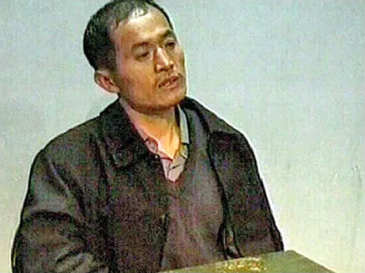
Victim count: 67 murder convictions.
Country: China.
Motive: Police identified robbery and rape as leading motives; his full motivation remained unclear.
Yang’s case involved repeated attacks across several Chinese provinces. He was convicted of 67 murders and 23 rapes in 2004.
During the trial period, reporting identified robbery and rape as leading motives cited by police. Later coverage of a televised interview said Yang gave no motive for the killings.
That leaves room for a careful distinction.
Investigators can identify what happened during the crimes, including theft and sexual assault, without having a complete explanation for the offender’s repeated decision to kill.
A simple story about revenge against society may sound satisfying. It should not replace what investigators actually established.
9. Samuel Little
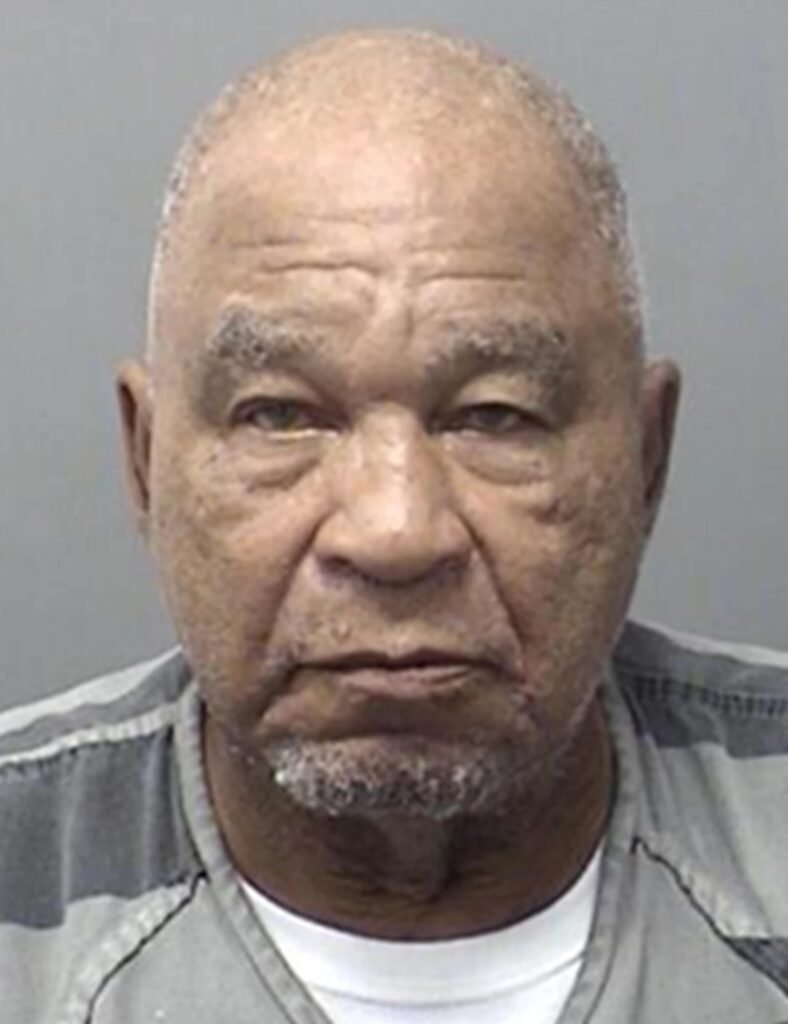
Victim count: 93 confessed killings; more than 60 definitively matched to victims by December 2021.
Country: United States.
Motive: No single definitive motive established in the official sources cited here.
The FBI identified Little as the most prolific serial killer in U.S. history. It considered his 93 confessions credible, while distinguishing those accounts from cases that investigators had verified.
Texas authorities later reported that more than 60 confessions had been definitively matched to victims through evidence and corroborated interviews.
One of the most disturbing details is how some deaths were originally classified: overdoses, accidents, natural deaths, or undetermined causes.
The FBI reported that Little believed he would escape detection because people were not accounting for his victims.
That belief helps explain his confidence in avoiding detection. It should not be confused with a complete explanation of his motive.
Behind the remaining unmatched confessions are people investigators have continued trying to identify.
10. Andrei Chikatilo
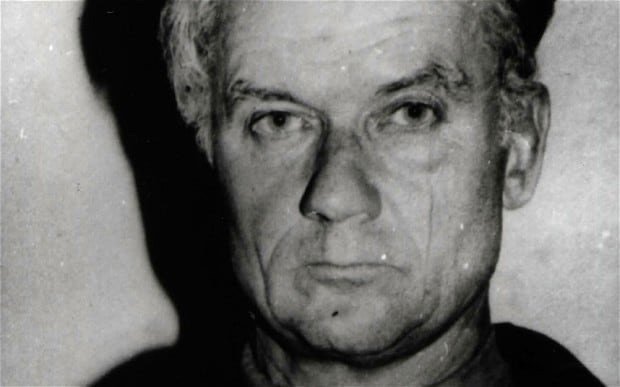
Victim count: 52 murder convictions.
Country: Former Soviet Union.
Motive: Sexual gratification associated with violence.
Chikatilo was convicted in 1992 of murdering 52 boys, girls, and young women during a series of killings spanning roughly 12 years.
Research examining his case describes sexual arousal associated with his violent acts, including accounts drawn from his statements during questioning. The relationship between sexual fantasy and retained objects is examined in how sexual fantasies can shape trophy-keeping.
His inclusion here does not establish him as the world’s tenth-highest-count serial killer. It represents another extensively documented case involving dozens of victims and a studied connection between sexual gratification and killing.
The number is large enough to become difficult to picture.
But it represents 52 separate lives, not one prolonged crime with a single victim.
Why “Motive” and “How They Got Away With It” Are Different Questions
The reason an offender wanted to kill is separate from the conditions that allowed the killings to continue.
Shipman had medical authority. Popkov had police authority. Little believed his victims were not being adequately accounted for. These were different routes to repeated access and delayed detection.
That distinction is useful when reading about any case.
A claimed desire for revenge does not explain why a particular child was chosen. A desire for attention does not explain why warning signs went unnoticed. Understanding the offender and understanding the surrounding failures require separate evidence.

Our account of the Nebraska couple who reached 911 but couldn’t be located concerns an entirely different kind of tragedy. But it raises a related question about evidence: what information was available at the time, and what became clear only afterward?
Frequently Asked Questions
Which serial killer killed the most people?
Harold Shipman is frequently identified among the highest-victim modern serial killers because the official inquiry estimated approximately 250 victims. A definitive worldwide ranking depends on whether it uses convictions, inquiry findings, corroborated confessions, or suspected totals.
Who was the most prolific serial killer in American history?
The FBI identified Samuel Little as the most prolific serial killer in U.S. history. He confessed to 93 killings; Texas authorities reported more than 60 definitively matched confessions in December 2021.
Why do serial killers have different victim counts in different articles?
Some articles count convictions. Others include confessed crimes, investigative findings, or suspected deaths. Additional evidence can also change the total. A responsible account labels the type of number it uses.
Do all serial killers have the same motive?
No. These cases include sexual predation, robbery, a desire for recognition, claimed revenge, and unresolved motives. An offender’s explanation also needs to be distinguished from an investigator’s finding.
Are suspected victims the same as confirmed victims?
No. A suspected connection means there is uncertainty. Presenting suspected deaths as confirmed killings hides that uncertainty and can misrepresent the victims’ cases.
Written under the pen name Evan Mercer for Stories in the Static, exploring unsettling history and criminal cases with attention to evidence, uncertainty, and the people behind the headlines.
Pingback: How Did Harold Shipman Get Away With Killing So Many Patients? – Stories In The Static
Pingback: How Many People Did Samuel Little Really Kill? – Stories In The Static
Pingback: Why Did Niels Högel Kill Patients He Then Tried to Save? – Stories In The Static
Pingback: Why Was Pedro López Released After So Many Murders? – Stories In The Static
Pingback: How Was Luis Garavito Caught After Years of Killing? – Stories In The Static
Pingback: How Many Murders Make Someone a Serial Killer? – Stories In The Static
Pingback: Why Do Serial Killers Keep Trophies From Their Victims? – Stories In The Static
Pingback: Can Serial Killers Stop Killing Without Getting Caught? – Stories In The Static
Pingback: Why Do Serial Killer Victim Counts Keep Changing? – Stories In The Static