
Samuel Little confessed to 93 murders.
In October 2019, the FBI announced that investigators had verified 50 of those confessions. In December 2021, the Texas Department of Public Safety reported that more than 60 had been definitively matched to victims.
The crimes were old. The understanding of them was changing.
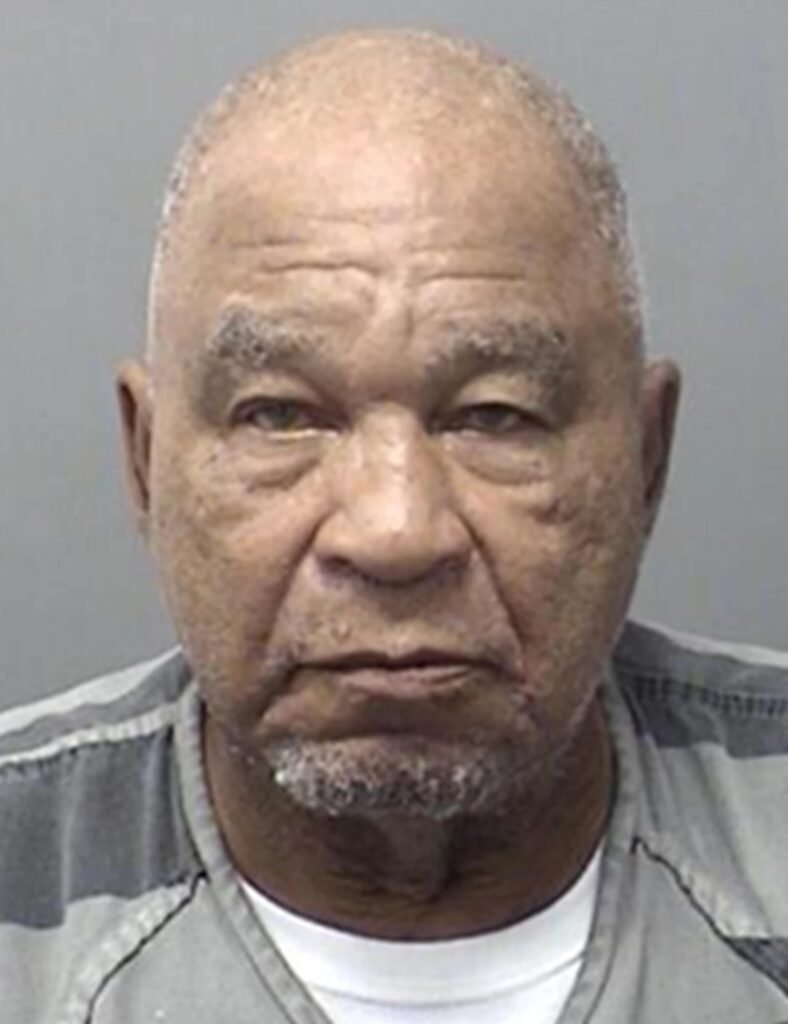
That is what gets lost when a headline gives a killer one enormous number and moves on. The figure can sound settled even while investigators are still searching for names, comparing records, and deciding whether a confession fits a particular death.
Serial killer victim counts change because different sources count different things, and investigations continue uncovering evidence. A murder conviction, a verified case, an inquiry finding, and an offender’s claim are separate categories.
Sometimes the number rises because another victim is connected to the killer. Sometimes a larger allegation becomes a smaller conviction total. Sometimes two articles appear to disagree because one describes a court verdict while the other describes the wider investigation.
The question I ask first is simple:
What, exactly, is this number counting?
The Word Beside the Number Changes Its Meaning
Read these three statements as hypothetical examples:
A person was convicted of 20 murders.
A person confessed to 40 murders.
Investigators suspect that person may have killed 60 people.
Those statements can all describe the same offender. They do not provide three interchangeable answers.
“Convicted” identifies the outcome of criminal proceedings. “Confessed” describes what the offender admitted. “Suspected” describes a possibility that still requires investigation.
The trouble begins when a retelling drops those words and says the person “killed 60.”
A claim has become a fact through a change in wording.
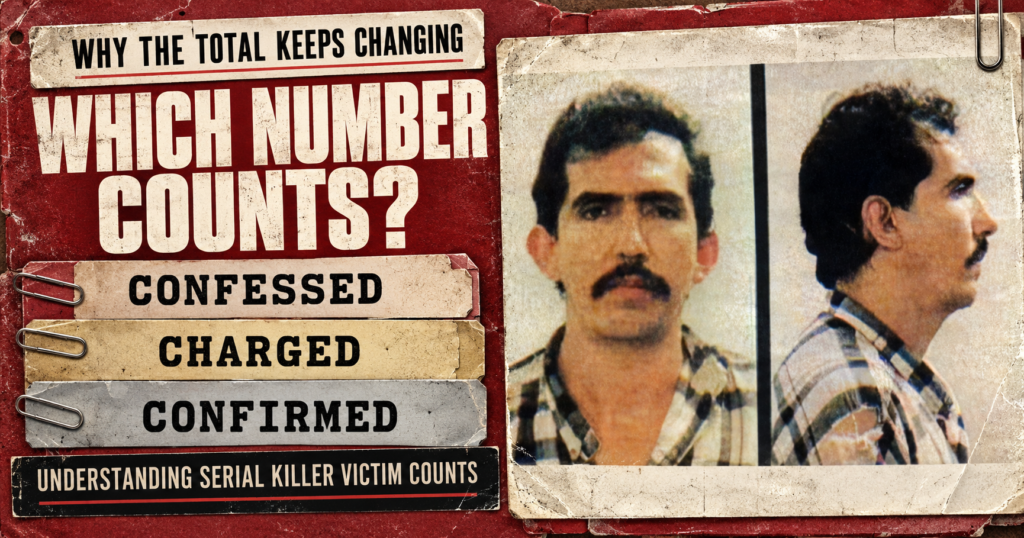
When reading about serial killers with the largest reported victim totals, the label is part of the number. Leaving it out can change the entire comparison.
The largest figure is not automatically the most accurate. The smallest figure is not automatically the full extent of the crimes.
Samuel Little’s Count Grew Through Verification
Little’s case shows why the date of a report matters.
The FBI’s October 2019 announcement distinguished his 93 confessions from the 50 cases investigators had matched at that point. His California prosecution had previously resulted in convictions for three murders, following DNA connections to unsolved homicides.
Three convictions did not mean investigators believed he had killed only three people.
Likewise, accepting his confessions as credible did not mean every account had already been matched to a victim.
By December 2021, Texas authorities reported more than 60 definitive matches, supported by DNA evidence and/or extensively corroborated interviews. They also warned that Little could be wrong about dates by more than ten years and distances by more than 40 miles.
Those errors could send investigators toward the wrong year or location.
The work required checking his account against records rather than simply accepting its details.
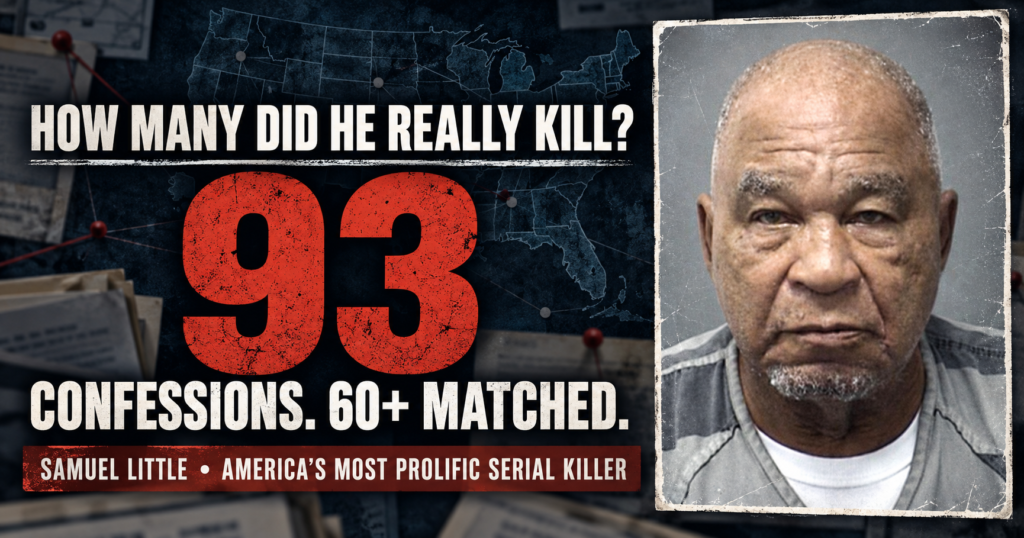
This is why the question of how many people Samuel Little really killed has several numbers attached to it. Each describes a different part of the case.
An older report saying “50 verified” and a later report saying “more than 60” are not necessarily contradictory. The investigation progressed between their publication dates.

Giving a Victim a Name Does Not Always Add Another Murder
There is another distinction that rarely gets explained: identifying a victim and adding a newly connected murder are different developments.
In May 2023, Georgia authorities announced that a woman long known as Macon Jane Doe had been identified as Yvonne Pless. She was approximately 20 when she was murdered in 1977.
Investigators had already matched Little’s confession to her case. Later forensic genetic genealogy helped locate relatives and establish her identity.
Her identification was a major development. But it did not automatically mean investigators had discovered one more murder to add to a previously established total.
The case had been linked. The name had remained unknown.
I think this is one of the most important distinctions in reporting these investigations. A numerical total can remain unchanged while a family receives an answer after decades of uncertainty.
Pless had a name before anyone called her Jane Doe. Recovering it mattered independently of the count.
Harold Shipman’s Convictions and Inquiry Answered Different Questions
Shipman was convicted of murdering 15 patients in January 2000.
An independent public inquiry subsequently examined a much broader history. It initially determined that he had killed at least 215 patients between 1975 and 1998. Its later investigation extended into his earlier medical career, and the final conclusion was approximately 250 victims.
That sequence explains why accounts of Shipman can contain 15, 215, or approximately 250.
The figures describe different proceedings and stages of investigation.
The trial established criminal convictions in particular cases. The inquiry examined the wider pattern of deaths across his career.

Reading how Shipman escaped detection while killing patients, it becomes clear why the investigation could not stop with the deaths included in his trial. The broader questions concerned how long the crimes had continued and what systems had failed.
A 2025 government review still describes the distinction between his 15 murder convictions and the inquiry’s much larger assessment.
“Approximately” also belongs in the sentence. Turning an inquiry’s estimated total into an exact tally creates certainty the original wording did not provide.
Niels Högel’s Trial Shows Why Charges and Convictions Differ
Högel faced 100 murder charges in his 2019 trial.
The court convicted him in 85 cases and acquitted him in 15. Reporting of the judgment explains that medical evidence did not establish his responsibility sufficiently for convictions in those 15 cases. The court also described difficulties involving elapsed time, witness testimony, and the defendant’s unreliable statements.
A headline written when the charges were announced could therefore contain a different number from a headline written after the verdict.
That does not mean 15 deaths disappeared from the investigation. It means the proceedings reached different outcomes in individual cases.
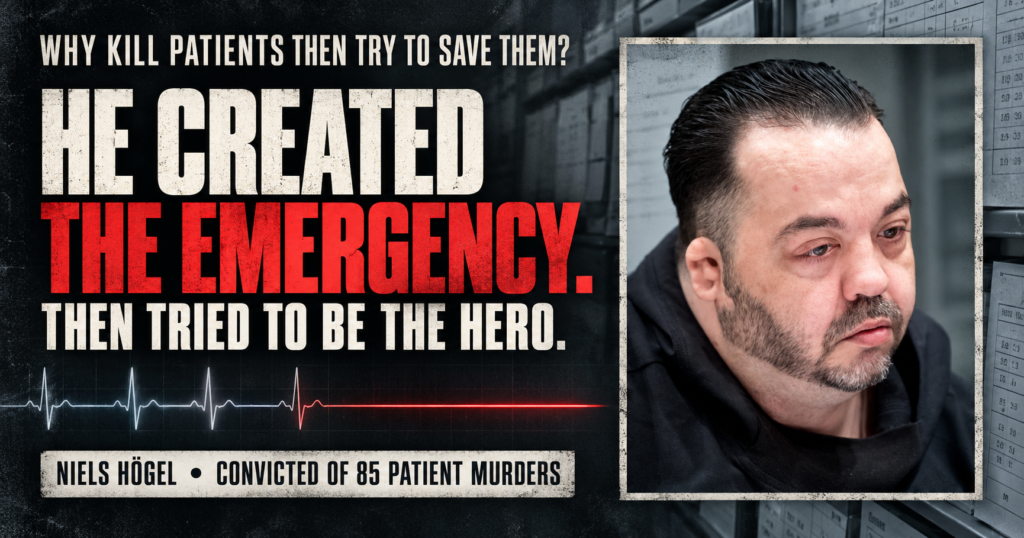
The distinction is especially important when discussing why Högel harmed patients he then attempted to save. An established pattern does not remove the need to assess the evidence for each death.
There were further limits to what investigators could reconstruct. Many possible victims had already been cremated, preventing forensic examination of their bodies.
A number cannot repair that loss of evidence.
Nor should a writer fill the gap by assuming every suspicious death must belong in the same category.
Confessions Can Be Valuable Without Settling the Total
A confession can provide investigators with information they did not previously have. It can also contain mistakes or claims that remain unverified.
Little’s case demonstrates both.
The FBI believed his confessions were credible while continuing to seek matches for unconfirmed accounts. It warned that dates and descriptions of clothing were not always reliable.
Those two positions are compatible.
An account can be worth investigating without every detail being correct or every case being resolved.
The useful questions are specific. Does the description match a known victim? Does the offender’s account fit the available records? Is there independent evidence connecting the person to the death?
A confession total should not silently become a conviction total because it is repeated often.
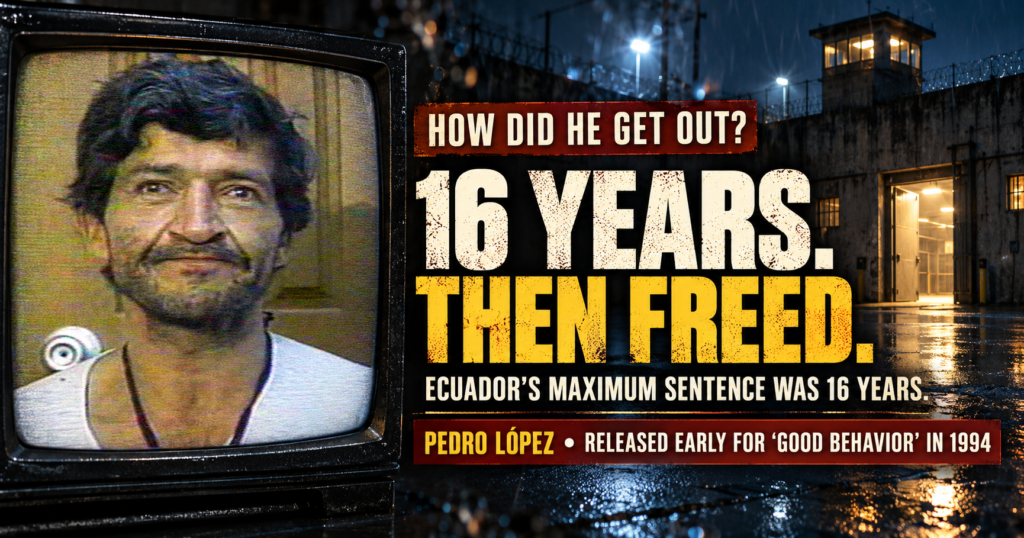
That caution also applies to the figures associated with Pedro López and the circumstances of his release. Reports describing hundreds of victims need to explain which portion of the account comes from his admissions.
An El Tiempo retrospective explicitly attributes its large López figure to his confessions. That attribution is essential, even when shorter retellings leave it out.
Garavito’s Coverage Shows How Categories Get Mixed Together
Reports about Luis Garavito provide another reason to inspect the wording closely.
Noticias Caracol’s reporting on his death refers to 138 murder convictions while also describing a larger number of victims in the same article.
A reader who extracts only one figure can come away with a different answer from someone reading another part of the report.
The way to handle that is to preserve the categories and identify the source, rather than treat every figure as an exact final total.
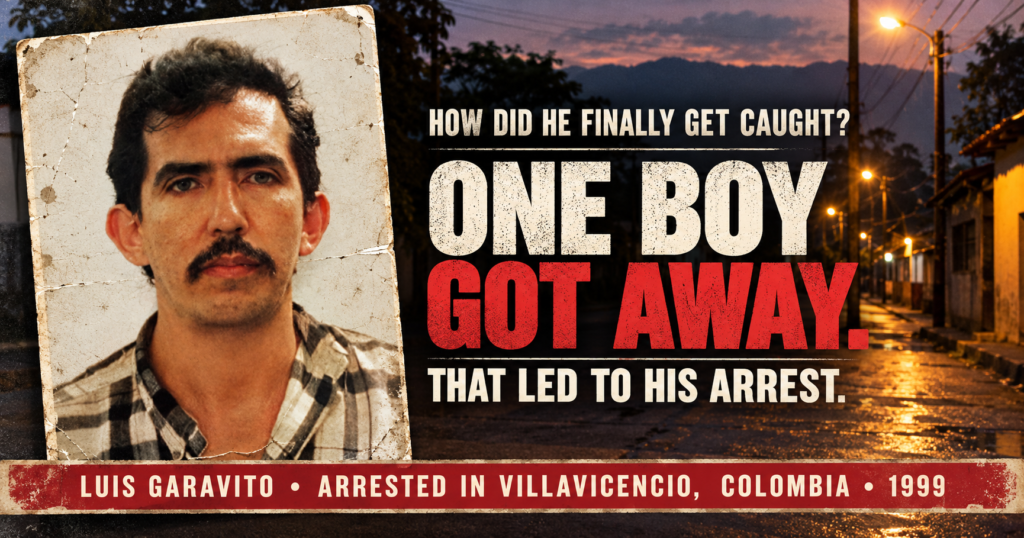
The investigation described in how Garavito was caught after years of killing involved establishing connections across individual cases. A broad statement about the scale of his crimes is not a substitute for those case findings.
This is also why a victim count copied from an older article needs checking. The figure may describe admissions or proceedings at that moment, rather than the eventual result.
Some Deaths Were Never Recorded as Murders
Investigators can miss a connection because the death itself was given another explanation.
The FBI reported that many deaths associated with Little had originally been classified as overdoses, accidents, or deaths with undetermined causes. Some bodies were never found.
That makes the original homicide record an incomplete starting point.
A later investigation may bring a death into the established series years after it occurred. The count changes because investigators understand the old evidence differently or obtain new evidence.

The same problem helps explain why serial killers can remain unidentified for so long. Connecting murders requires recognizing them first.

It also complicates claims that an offender went years without killing. A long gap before a serial killer’s arrest may represent genuine inactivity, but an incomplete case history can make that question harder to answer.
We should examine what a timeline includes before interpreting its empty spaces.


A Border Can Separate the Confession From the Matching Case
Patricia Parker’s case offers a concrete example.
Her unidentified remains were found in Dade County, Georgia, in 1981. Decades later, Little described a victim he had encountered in Chattanooga, Tennessee.
An investigator searching Chattanooga’s unsolved cases found no match. He contacted the Georgia Bureau of Investigation across the border, where an unidentified-victim case fit the account.
Further interviews, a facial reconstruction, and DNA comparisons with relatives helped identify Parker. Her identification was announced in 2020.
The confession and the matching records initially pointed investigators toward different places.
That is the kind of work hidden behind a short announcement that another case has been resolved. Someone has to notice that the first search may be incomplete and follow the evidence further.
A nationwide total can depend on many such local connections.
How I Read a Serial Killer Victim Count
I start with the original source and its date.
An agency announcement from 2019 describes what investigators knew in 2019. A later update may change that picture. A court verdict answers a different question from a press conference about suspected additional victims.
Then I look for the category: convictions, verified cases, confessions, or an estimate.
Finally, I check whether the wording preserves uncertainty. “At least,” “approximately,” and “suspected” are doing real work. They should survive the retelling.
This is how I approach comparisons of notorious killers and their reported totals. Comparing an estimate for one offender with convictions for another may produce a neat ranking, but the underlying figures are measuring different things.
A useful article should tell readers why the numbers differ, rather than pick the largest one for effect.
Frequently Asked Questions
What is the difference between confirmed victims and murder convictions?
A conviction is a criminal court outcome. An investigative confirmation describes a case authorities have established or matched through evidence. Little’s investigation illustrates the difference: agencies verified additional cases beyond the murders included in his California convictions.
Why do two articles give different totals for the same killer?
They may use different categories or publication dates. Little’s verified count grew between the FBI’s 2019 announcement and the Texas Department of Public Safety’s 2021 update.
Does identifying an unnamed victim increase the total?
Not necessarily. Yvonne Pless’s case had already been connected to Little before investigators established her identity. Recovering her name was a separate achievement.
Can a killer’s victim count change after their death?
Yes. Investigations can continue using existing records, interviews, and forensic evidence. Pless’s identification was announced in 2023, after Little’s death.
Is the conviction total always the complete number of victims?
No. Shipman’s 15 convictions and the inquiry’s assessment of approximately 250 victims show why the outcome of a trial may not describe the full extent of an offender’s crimes.
Does a high victim count determine whether someone is a serial killer?
The classification concerns a pattern of killings in separate events, rather than a place on a ranking. How many murders qualify as serial murder explains why readers encounter different thresholds and definitions.
By Miles Rowan for Stories in the Static, examining criminal cases through overlooked evidence, unresolved questions, and the lives behind the headlines.