

An arrest warrant had been issued. Then came a discovery along a public park trail.
The man found dead at Salem Lake was identified as Ryan Grey Hunter, 45. Police said he was wanted in Randolph County, North Carolina, on charges involving alleged child sexual abuse.
That identification brought two investigations into the same story: the allegations behind the warrant and the circumstances of his death.
It did not answer every question about either one.
Police reported no indication of foul play and said they were not seeking suspects. A final, publicly confirmed explanation of how Hunter died was not established in the information reviewed for this article. A similarly careful account of the reported circumstances of Michael Sanft’s death also separates an initial police assessment from a confirmed medical finding.
The distinction matters. The charges explain why authorities wanted to arrest him. They do not, by themselves, explain his death.
A Discovery Along the Salem Lake Trail
Salem Lake is a familiar recreation destination in Winston-Salem.
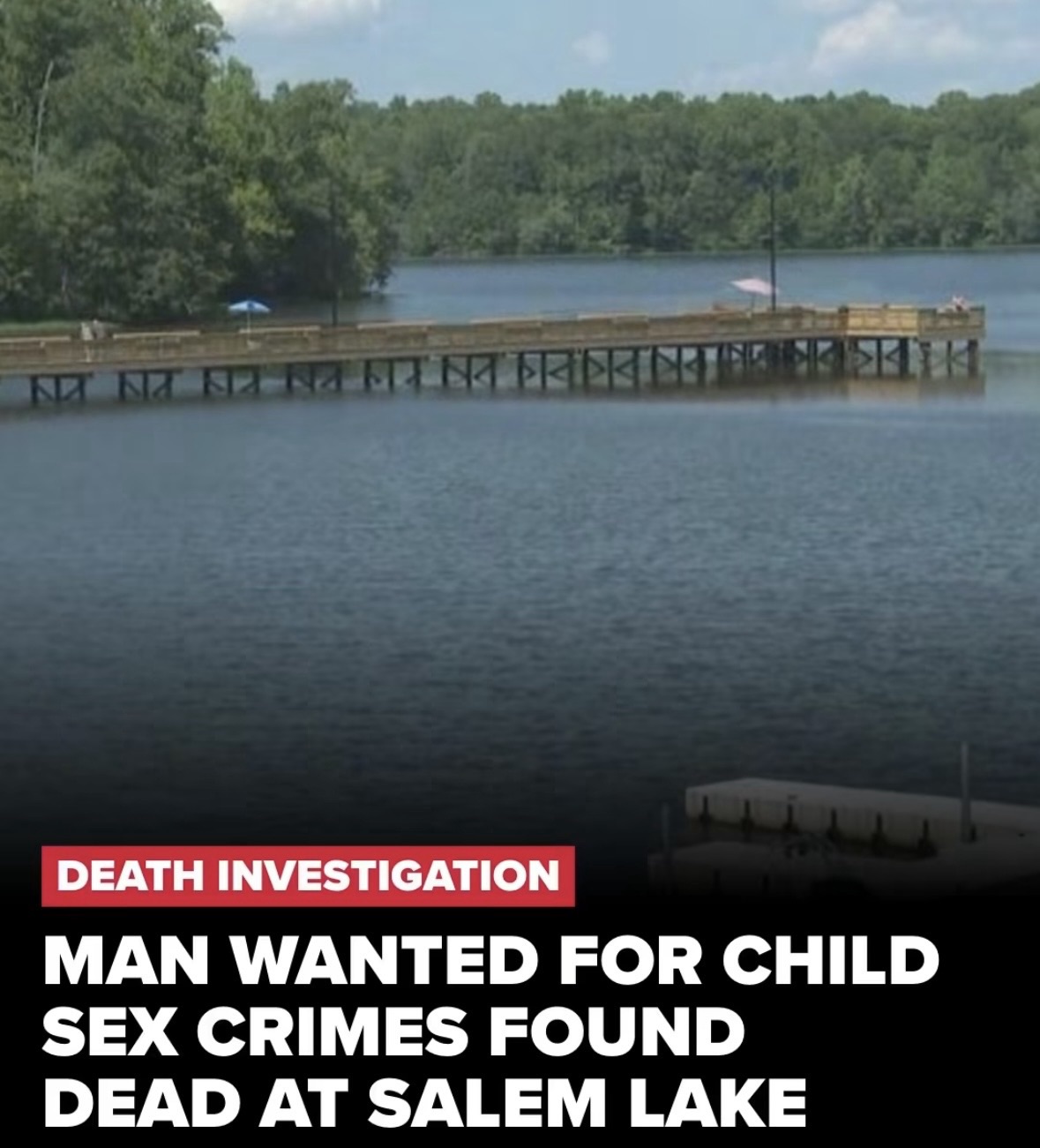
Its seven-mile trail follows a 365-acre lake, drawing people who walk, run, ride bikes, and fish. The city’s description of the Salem Lake trail and recreation area places it minutes from downtown.
That ordinary setting is part of what makes the discovery unsettling.
A public trail is somewhere people expect to pass strangers and continue on their way. Finding someone dead turns part of that shared space into a scene investigators need to examine.
A person reported the discovery over the weekend. Authorities temporarily restricted access to the area, which later reopened.
The available account does not establish Hunter’s route through the park, when he arrived, or how long he had been there.
Those missing movements should remain missing until evidence fills them in.
The Arrest Warrant Issued Before the Discovery
The Randolph County Sheriff’s Office issued an arrest warrant on October 10, 2026.
Hunter was facing five felony charges related to alleged child sexual abuse, according to the information released through local reporting.
The warrant is a significant part of the timeline. It establishes that authorities were seeking him before the discovery at the park became public.
It does not establish that he went to Salem Lake because of the warrant.
That may seem like a small distinction, but it separates chronology from motive. Two events happening close together do not tell us everything connecting them.
There is no verified account here of what Hunter knew, whom he spoke with, or what he intended.


What Police Said About Foul Play
The police update linking the Salem Lake discovery to Hunter’s identity reported that investigators had found no indication of foul play and were not seeking suspects.
That narrows the public account.
It does not support describing the death as a murder, a revenge attack, or an encounter with someone connected to the allegations.
Nor does “no indication of foul play” automatically supply a final cause of death.
It describes the investigators’ assessment of the evidence available at that stage. A medical examiner’s findings address a different set of questions.
For readers trying to understand this case, keeping those statements separate is more useful than forcing them into one dramatic explanation.
Why the Cause of Death Still Matters
A death investigation asks what happened to a person.
An outstanding criminal case asks whether that person committed the alleged offenses.
Those questions can become connected through evidence. They should not become connected simply because a headline puts them next to each other.
North Carolina’s medical examiner system investigates deaths involving injury or violence, along with certain suspicious, unusual, or unattended deaths. Its work can involve examining the body and reviewing relevant records and circumstances.
The state’s explanation of the medical examiner’s investigative role helps clarify why an initial police statement is not the entire process.
Two terms are particularly important.
Cause of death concerns the disease or injury responsible for the death.
Manner of death concerns how that cause arose, such as through natural circumstances, an accident, homicide, suicide, or an undetermined circumstance.
A person being wanted by police does not establish either.
Without a verified determination, it would be inaccurate to turn Hunter’s death into a story about guilt, fear, punishment, or escape.


The Charges Were Allegations, Not a Verdict
The accusations against Hunter were serious.
They also remained accusations in the information available for this article. An arrest warrant is not a conviction, and a death is not a confession.
That distinction does not minimize allegations involving children.
It preserves the difference between what authorities alleged and what a court established.
The details reviewed here do not establish the number of alleged victims, their identities, or the full circumstances behind each charge. Five charges should not be treated as proof of five victims.
Children connected to an investigation do not need to become identifiable characters in a public retelling for readers to understand the seriousness of the case.
What We Do Not Know About Hunter’s Final Movements
The gap between the warrant and the discovery invites speculation.
But the public account reviewed for this article does not establish a verified sequence of Hunter’s final movements or conversations.
It does not tell us why he was at Salem Lake.
I think that is where this story needs the most restraint. A writer can make an uncertain timeline sound complete by adding a destination, an intention, and a final decision.
None of those additions becomes evidence because it makes the story flow.
The unresolved part of this case is real. It does not need an invented explanation to be unsettling.
Questions About the Ryan Grey Hunter Case
Who was the man found dead at Salem Lake?
Authorities identified him as Ryan Grey Hunter, 45.
Was his body found in the lake?
The reporting describes a discovery along a park trail. It does not describe a body recovered from the water.
Why were authorities seeking him?
He was wanted in Randolph County on felony charges involving alleged child sexual abuse. The reported warrant date was October 10, 2026.
Did police say someone killed him?
Police reported no indication of foul play and said they were not seeking suspects. That does not establish a final medical explanation of the death.
Was Hunter convicted of the reported offenses?
A conviction on those charges was not established in the information reviewed for this article. Charges and arrest warrants should not be described as verdicts.
Do the charges explain why he died?
Not by themselves. Establishing a connection would require evidence about the circumstances of his death, rather than an assumption based on the allegations.
By Miles Rowan for Stories in the Static.