

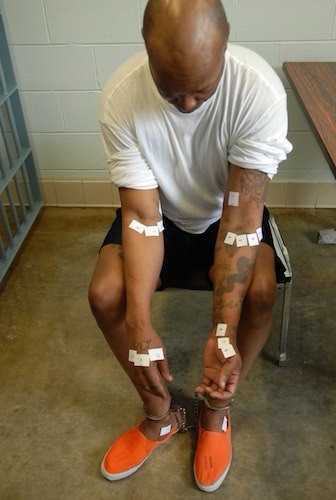
For two hours, Ohio tried to establish the IV connection it needed to execute Romell Broom.
The connection would not hold.
Officials eventually stopped. Broom returned to his cell alive, still under a death sentence. That sequence is documented in the federal court decision that later considered his case.
The detail that changes this story is what never happened.
No lethal execution drugs were delivered.
Broom had endured the preparation, repeated attempts to insert an IV, and the expectation that he would die that afternoon. But whether his execution had legally begun became part of the argument over whether Ohio could try again.
I find that distinction difficult to read casually.
It separates the experience of the person awaiting death from the legal definition of when the punishment starts.
And before we follow that argument, there is someone whose name belongs at the beginning: Tryna Middleton.
Tryna Middleton Was Fourteen
Broom’s death sentence followed his conviction for the kidnapping, rape, and murder of fourteen-year-old Tryna Middleton. The killing occurred in 1984, and he was convicted in 1985.
Her age matters.
So does her name.
An execution failure can become so unusual that the original victim fades into a sentence explaining why the prisoner was there. I do not want that to happen in this account.
Tryna’s murder and the treatment of the man convicted of killing her are both part of the history. Examining the execution procedure does not require minimizing what happened to her.
It requires asking what the government did afterward, and whether that procedure met its legal obligations.
Our broader explanation of what happens when someone survives an execution attempt addresses that question across cases. Broom’s story shows how much can depend on the exact stage at which an attempt stops.
Why Did Romell Broom’s Execution Fail?
The execution team could not establish and maintain a usable IV line to deliver the lethal drugs.
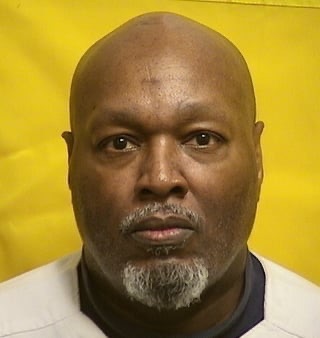
Ohio scheduled the attempt for September 15, 2009, at the Southern Ohio Correctional Facility in Lucasville.
The Ohio Supreme Court’s account describes repeated unsuccessful catheter insertions. At one point, a catheter entered a vein but the connection was lost. The effort continued through attempts at other locations before officials stopped.
This was not a case in which someone received the full lethal injection and unexpectedly lived.
That distinction is essential.
A headline saying Broom “survived lethal injection” can leave readers imagining drugs entering his bloodstream and failing to kill him. The documented failure occurred while officials were trying to obtain access to administer them.
The procedure stopped before that next step.

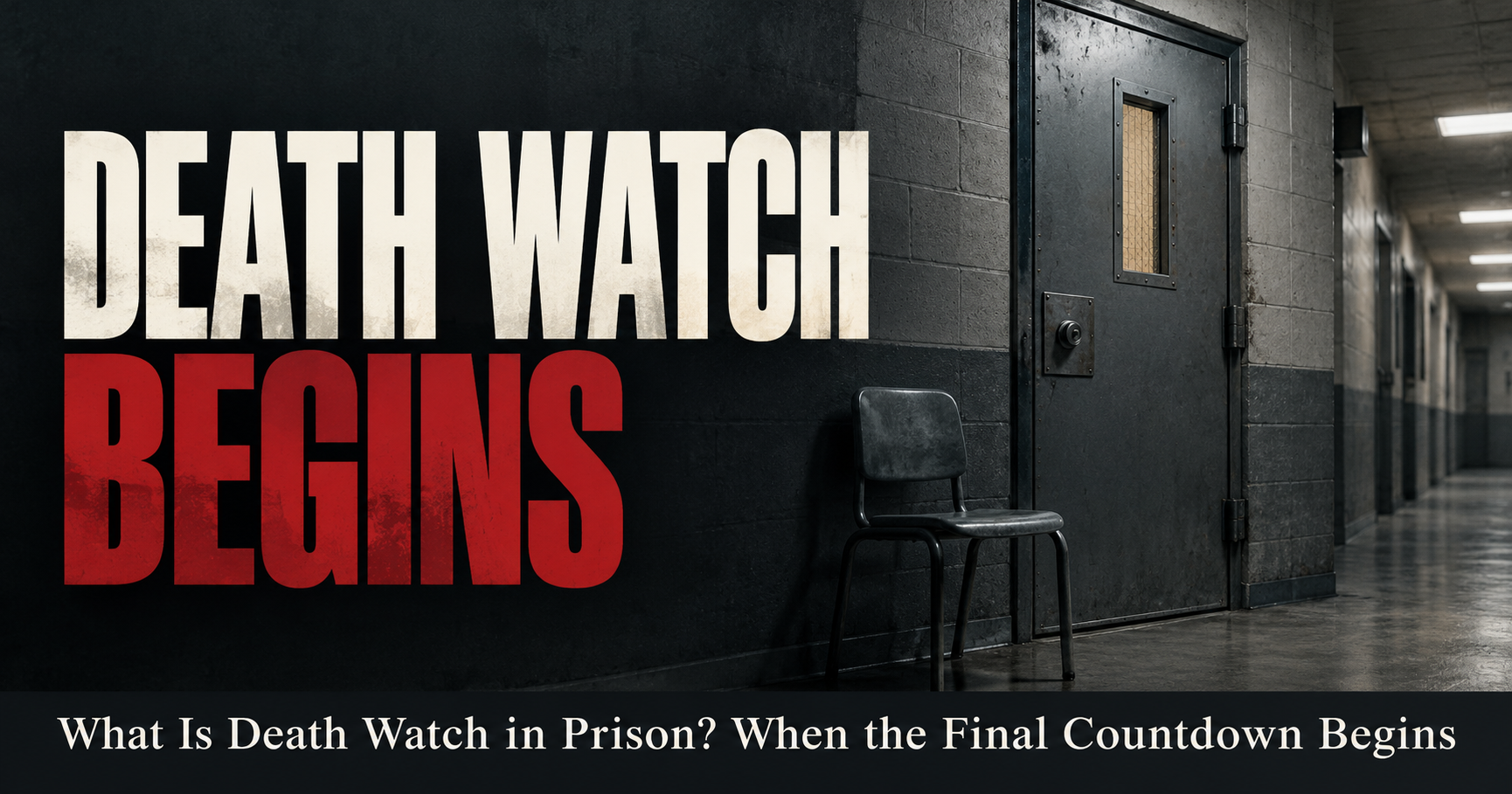
The Attempts Continued for About Two Hours
Ohio’s official court-news account reports that physicians examining Broom afterward found eighteen insertion sites, with substantial bruising and tissue damage.
It describes pain during the attempts and the involvement of a prison physician after the execution team struggled to obtain access.
Those details are enough. We do not need to add imagined screams, conversations, or thoughts.
The duration itself is disturbing.
Two hours gave officials repeated opportunities to assess whether the procedure could continue. It also left Broom waiting through an effort intended to end with his death.
When I read the record, I keep returning to that stretch of time. An execution date suggests a fixed endpoint. This one became a prolonged attempt followed by uncertainty.
The state stopped trying that afternoon.
His sentence remained.
Survival Did Not Mean Release
Broom was not freed because the attempt failed.
He challenged another attempt through state and federal proceedings, arguing that it would violate constitutional protections against cruel and unusual punishment and double jeopardy.
Double jeopardy includes protection against being punished twice for the same offense. But applying that protection here required a court to decide what punishment had already occurred.
Was the painful IV preparation part of the execution?
Or did the punishment of death begin only when the execution drugs were applied?
Those competing views became central to the case.
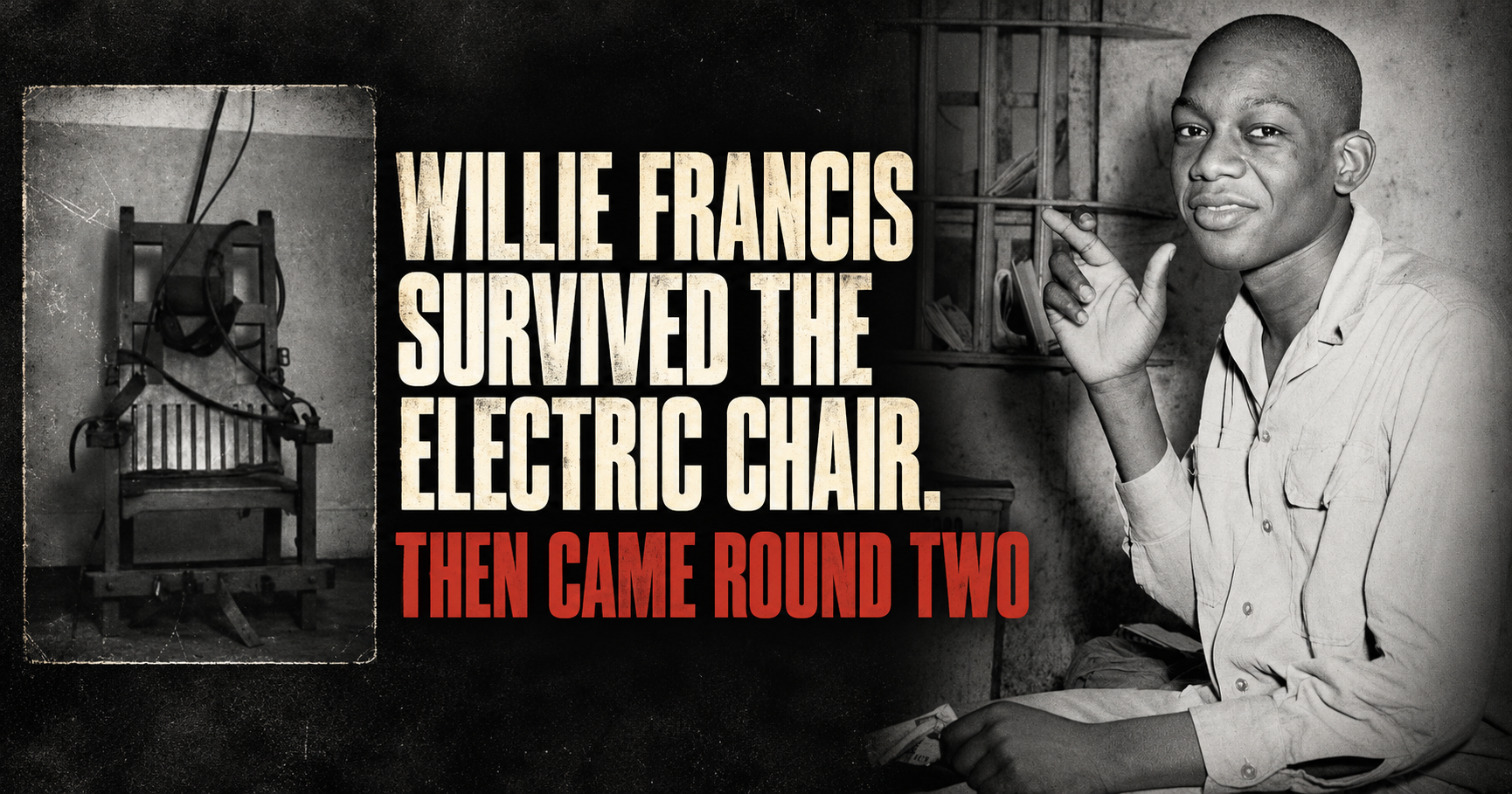
Readers familiar with Willie Francis’s return to the electric chair after surviving the first attempt will recognize the broader question. The procedures differed, and that difference mattered to the legal analysis.


Ohio’s Highest Court Said the State Could Try Again
On March 16, 2016, the Ohio Supreme Court ruled against Broom, 4–3.
The majority’s reasoning distinguished IV preparation from the application of lethal drugs. Because the drugs had not been administered, it rejected the claim that another attempt would impose the punishment twice. It also rejected his cruel-and-unusual-punishment challenge.
That was a divided ruling.
Dissenting justices disputed aspects of the majority’s treatment of the ordeal and the refusal to provide further proceedings.
The disagreement is important because it prevents the decision from becoming a simplistic claim that nothing significant happened.
Something plainly happened.
The legal dispute concerned what that experience meant for the state’s authority to proceed.
The Federal Court Called Ohio’s Treatment Disturbing
In June 2020, the Sixth Circuit upheld the denial of Broom’s federal habeas petition.
The court expressly criticized Ohio’s treatment of him, while explaining that federal law limited the circumstances in which it could overturn a state court’s decision.
A habeas petition asks a court to examine the legal basis for someone’s custody or sentence.
The federal decision illustrates a point that is easy to miss when reading court outcomes: a court can express serious concern about what occurred and still conclude that the legal standard before it does not permit relief.
That does not make its criticism meaningless.
It means the result and the reasoning both need to be read.
“Broom lost” tells us the outcome. It does not fully explain how the court reached it.
A Second Execution Was Scheduled, but Never Happened
Ohio later scheduled Broom’s execution for June 17, 2020.
Governor Mike DeWine granted a reprieve that April, citing the unavailability of execution drugs, and moved the date to March 16, 2022.
A reprieve postpones an execution. It does not necessarily cancel the sentence.

That distinction explains Broom’s position after years of litigation. He remained under a death sentence even though the state had not carried it out. His situation illustrates the years behind a death sentence, where legal proceedings and execution decisions can remain separate for many years.
There was still a future date.
It was still possible, under the rulings in his case, that officials would make another attempt.
But Broom did not live to reach that date.
How Did Romell Broom Eventually Die?
Broom died on Ohio’s death row on December 28, 2020. He was 64.
At the time, corrections authorities classified his death as a probable COVID-19 death, pending confirmation. The Death Penalty Information Center’s account describes suspected complications rather than an independently established final medical finding.
That wording should remain careful.
He was not executed in the second attempt the state had scheduled. He died in custody more than eleven years after the failed procedure.
The case therefore has a different ending from Francis’s.

Both men survived an attempt to carry out a death sentence. Their later histories did not follow the same path. A different trajectory appears in Robertson’s path to execution after the killing, where the killing itself became the means Robertson said he used to pursue a death sentence.

Why the Difference Between Preparation and Execution Matters
Broom’s case is often summarized as “Ohio tried to execute a man twice.”
That describes the controversy, but it misses the distinction that shaped the ruling.
The failure happened during IV preparation. Courts then considered whether that preparation, and the harm it caused, barred another attempt.
This is why failed-execution stories should not be treated as interchangeable.
An electrical malfunction, unsuccessful IV access, and a problem after drugs have been administered involve different facts. Those facts can affect the claims raised and the reasoning courts use.
Our coverage of the questions surrounding Christa Pike’s execution attempt belongs in that wider discussion, with each case examined on its own record.
The important question is not merely whether the prisoner remained alive.
It is what officials did before they stopped.
Questions About Romell Broom
Did Romell Broom receive lethal execution drugs?
No. The documented attempt stopped before the lethal drugs were administered.
Why couldn’t Ohio complete the execution?
The team could not maintain a usable IV connection. The problem was obtaining reliable access to deliver the drugs.
Did surviving cancel his death sentence?
No. His sentence remained, and he pursued legal challenges to another attempt.
Did every justice agree Ohio could proceed?
No. The Ohio Supreme Court’s 2016 decision was 4–3.
Was Broom eventually executed?
No. He died in custody in December 2020 before the rescheduled execution date.
Who was the victim in his murder case?
Tryna Middleton, a fourteen-year-old girl. Her death was the basis for the conviction and sentence.
Is this story real?
Yes. The attempted execution and legal proceedings are documented in state and federal court records. His later death was reported by corrections authorities.
The Cell He Returned To
The end of the attempted execution was not the end of Broom’s case.
He returned to custody, fought another attempt, and remained under a death sentence until his death.
I keep thinking about the distance between those two statements: officials stopped, but the sentence continued.
For readers, the first sounds like an ending.
For the prisoner, it was another period of waiting.
Tryna Middleton’s life had been taken years earlier. The legal proceedings that followed her murder eventually produced another question Ohio’s courts had to answer: what could the state do after its own execution procedure failed?
Broom’s survival gave that question a human subject.
It did not give him freedom.
By Miles Rowan for Stories in the Static, examining criminal cases through overlooked evidence, unresolved questions, and the lives behind the headlines.