

Alabama had until midnight to execute Doyle Lee Hamm. Late on February 22, 2018, the corrections commissioner learned that the team couldn’t get an IV line in place before the warrant ran out. The state called it off.
A month later, Alabama and Hamm’s lawyers signed a confidential settlement. There would be no second attempt, according to his attorney.
And yet the next morning Hamm was still on death row.
He would stay there for the rest of his life. The conviction for murdering Patrick Cunningham stood. So did the death sentence. What changed was whether Alabama would try to carry it out again.
I wanted to know where, exactly, that change happened. It wasn’t in either of the Supreme Court orders issued the night of the execution. It wasn’t spelled out in the short court filing that closed one of Hamm’s cases. To understand what happened, you have to follow three things separately: the sentence a judge imposed in 1987, the warrant that ran out in 2018, and the agreement the two sides reached a month later.
Before the execution case, there was a man working the night desk
Patrick Cunningham was working at the Anderson Motel in Cullman, Alabama, on January 24, 1987. He was shot and killed during a robbery. A jury found Hamm guilty of robbery-murder that September and recommended a death sentence. The judge imposed it later that year.
In the Alabama appeals court’s account of Hamm’s conviction, you can read how investigators built the case and how the judge reached the sentence. That record answers a different question from the one that dominated coverage 30 years later. The original case was about who killed Cunningham and what punishment the law allowed. The final round of litigation was about what Alabama could lawfully do to Hamm in the execution chamber.
That difference matters because the settlement didn’t rewrite what happened at the motel. Hamm remained convicted of killing Cunningham. His lawyers went to court over an execution they believed could inflict unconstitutional pain, and later over whether the state could put him through another attempt.
His lawyers warned the courts before the warrant came due
Hamm had spent about three decades on death row by the time Alabama scheduled his execution for February 22, 2018. He had been treated for cancer. His attorney, Bernard Harcourt, argued that the condition of Hamm’s veins made a lethal injection unusually risky for him.
That warning came before the execution. It wasn’t an explanation the defense came up with afterward.
A federal district judge initially stayed the execution. The courts then considered medical evidence about whether Alabama could carry it out without the risks Hamm’s lawyers had raised. An independent physician examined him. The litigation narrowed to a question about this particular man and this particular attempt: given what the doctors knew, could the state proceed?
On the day of the execution, the Eleventh Circuit’s opinion in Hamm’s case left the state able to go forward. The court considered the medical assessment and the limits Alabama had agreed to observe. That ruling dealt with the risk shown by the evidence before the judges. It couldn’t tell them what the team would actually encounter that night.



The Supreme Court stopped it, then let it proceed
There are two orders from the U.S. Supreme Court dated February 22. Read one without the other and you could come away with the opposite idea of what the Court did.
First, Justice Clarence Thomas issued an order temporarily stopping Hamm’s execution until he or the Court acted again. For a few hours, Alabama had a warrant it couldn’t use.
Then the full Court denied the stay and review and lifted Thomas’s temporary order. Alabama could resume preparations. The warrant still expired at midnight. The time spent waiting for the Court didn’t move that deadline.
It’s worth slowing down here because “the Supreme Court stopped his execution” sounds like the explanation for why he lived. The temporary order delayed it. By the end of the evening it was no longer in effect. What stopped the attempt was what happened at the prison.
What happened during Doyle Lee Hamm’s execution attempt
Corrections Commissioner Jeff Dunn told reporters that the team didn’t expect to establish the necessary IV access before midnight. Alabama called off the execution late that evening. The lethal drugs were never administered.
The way the two sides described those hours tells you why the story didn’t end with the announcement. In the Associated Press report from the night Alabama called it off, the state’s account centered on whether the team could get access in time. Hamm’s lawyers described repeated attempts that, they said, left him in severe pain.
The state’s account explains why the procedure stopped. The defense account explains why Hamm went back to court over what had already happened. He had survived, but staying alive didn’t settle whether the attempt had harmed him or whether Alabama could make him face it again.
The fight over what could be examined afterward
The next day, Hamm’s lawyers filed a motion about a medical examination by Dr. Mark Heath. The parties had worked out when and where he could examine Hamm. They were still fighting over whether he could see the execution chamber and review the notes the prison staff had taken during the attempt.
That dispute is there in the defense motion filed the day after the execution was halted. It’s an unusually concrete look at what it takes to test an account of something that happened behind a closed door. A doctor could examine Hamm afterward. The prison’s notes might show what staff recorded as it was happening. Those are different records, and getting one didn’t mean the defense automatically got the other.
By early March, Hamm’s lawyers were arguing that Alabama should be barred from trying again. They raised constitutional claims, including that another attempt would amount to cruel and unusual punishment. Those claims were arguments for the courts to consider. The case ended before a court issued a ruling barring a second attempt on those grounds.


The settlement that stopped a second execution
On March 26, 2018, Hamm and Alabama reached a confidential settlement. Lawyers for both sides then took steps to end the pending litigation. The joint filing in Hamm’s federal habeas case is only a few pages long. The central sentence says the parties agreed to dismiss that case without prejudice. It doesn’t publish the settlement or explain why either side agreed to it.
The agreement itself stayed private. In the U.S. government’s response to United Nations experts who raised Hamm’s case, the State Department confirmed that the settlement existed and that its terms weren’t public. Hamm’s attorney later said it prevented another execution attempt. Alabama never tried again.
That leaves us with a solid answer to what happened and a limit on what we can say about why the state agreed. There were disputes over the first attempt and the prospect of a second one. The two sides settled those disputes. The record doesn’t tell us what Alabama’s lawyers said behind closed doors, what each side gave up beyond what’s publicly known, or what a judge would have decided if the litigation had continued.
Why was Hamm still on death row?
The agreement stopped further execution attempts. It did not overturn his conviction, commute his death sentence to life in prison, or release him. The Associated Press reported that he stayed on death row at Holman Prison.
This is the part I find easiest to miss because the outcomes sound like they should travel together. If the state won’t execute someone, you might assume the death sentence has been replaced. In Hamm’s case, the sentence and the state’s agreement about carrying it out remained separate. He was still under a sentence of death when he died of natural causes in November 2021, at 64. His longtime attorney said he had struggled with lymphoma for years.
Why Hamm’s case ended differently from other failed executions
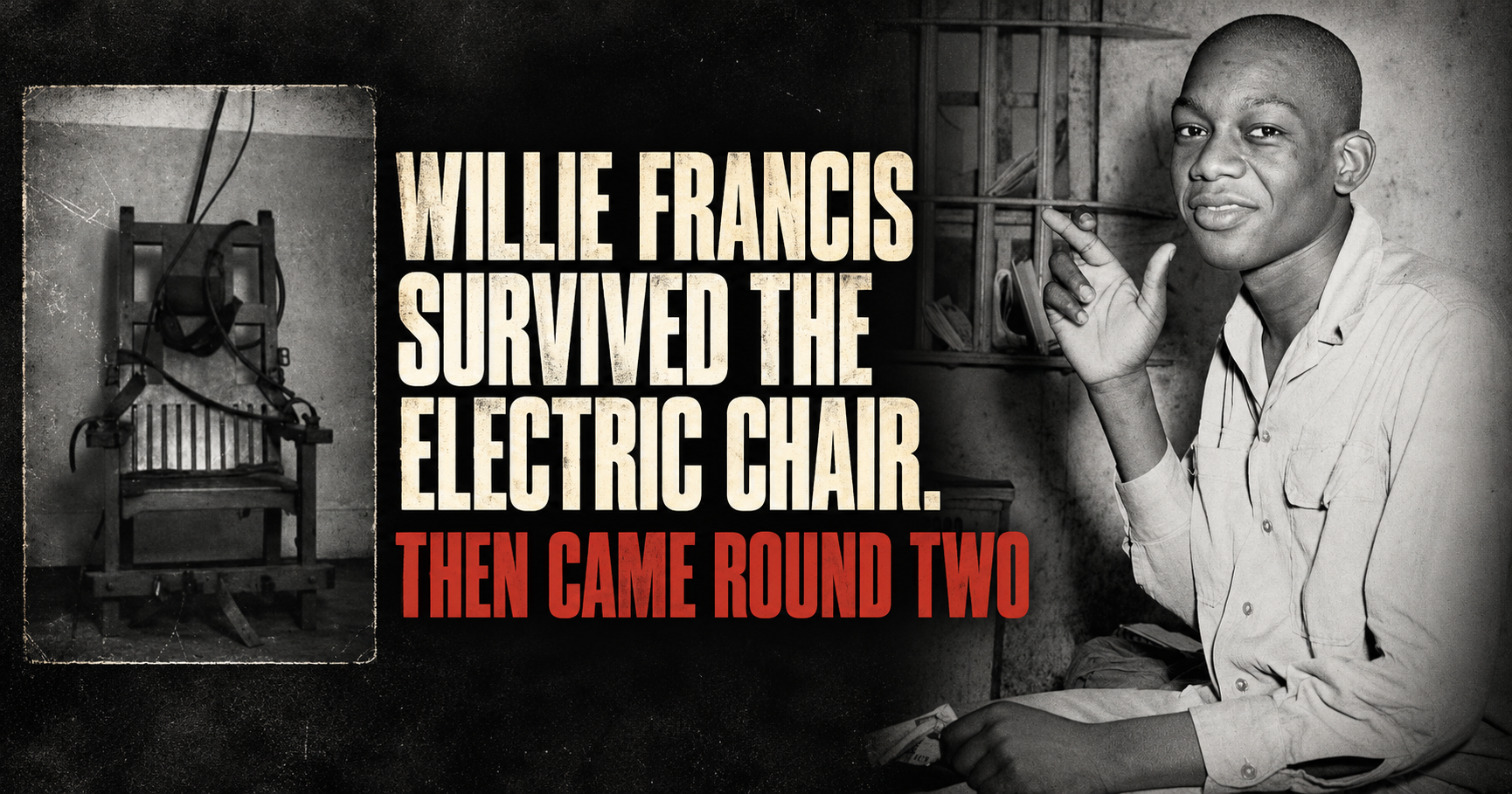
In the case of Willie Francis, who survived Louisiana’s electric chair, the state sought another attempt. The U.S. Supreme Court allowed it under the circumstances of that case, and Louisiana carried out the sentence in 1947. That history helps explain why Hamm’s lawyers couldn’t assume Alabama was legally barred from returning to the chamber just because the first attempt had stopped.

Ohio took a different path after Romell Broom’s failed execution. The state continued to pursue another attempt, and the Ohio Supreme Court allowed it. Broom died in prison before Ohio carried it out. Two men can both die on death row after surviving a failed attempt, even though only one had an agreement preventing another.
That’s the distinction behind what can happen after someone survives an execution attempt. The first attempt tells you what happened that night. To understand what came next, you have to look at what the state sought, what the courts ruled, and whether the parties reached a deal before a court could decide.
Did Doyle Lee Hamm survive being injected with lethal drugs?
No. He survived an execution attempt that stopped before the lethal drugs were given. The state couldn’t establish the IV access it needed before the warrant expired. That doesn’t mean nothing happened to him. His lawyers alleged that the repeated attempts to establish access caused severe pain and injuries.
Was Alabama’s agreement with Hamm a pardon or a commutation?
Neither. The public record shows a confidential settlement of the litigation over his execution. Hamm’s conviction for killing Patrick Cunningham and his death sentence stayed in place. His attorney said the agreement prevented the state from trying again.
What did the March 26 court filing actually say?
The filing in Hamm’s federal habeas case says both sides agreed to dismiss that action without prejudice. It does not contain the private terms. The public document tells you how that court case ended. The account of why Alabama never set another execution date comes from the settlement’s reported effect, not from a judge declaring a second attempt unconstitutional.