

They were taking Maggie Dickson home to bury her when someone heard something inside the coffin.
Her hanging was over. Her body had been taken down from the gallows in Edinburgh’s Grassmarket and placed on a cart for the journey toward Musselburgh.
Then the people carrying her discovered that she was alive.
It sounds like the opening of a ghost story. But Margaret “Maggie” Dickson really did survive a public hanging in eighteenth-century Scotland. She became known as Half-Hangit Maggie, a woman whose execution turned into the beginning of another life.
Nobody can establish exactly how Maggie Dickson survived. She was taken down believing her dead, recovered afterward, and was not hanged again. The best-supported date for the execution is September 2, 1724. A similarly disputed account surrounds Octavia Hatcher, whose alleged awakening after burial remains difficult to support with contemporary evidence: Octavia Hatcher’s disputed burial story
The coffin is the detail everyone remembers.
What happened before she entered it deserves just as much attention.
Before She Became Half-Hangit Maggie
Margaret Dickson came from the Musselburgh area, east of Edinburgh.
Accounts describe a working woman, married to a fisherman, whose circumstances changed when she and her husband were separated. The familiar explanation is that he had been forced into naval service, although versions of her early life differ.
She eventually found work in the Scottish Borders.
There, she became pregnant outside her marriage.
That fact carried consequences far beyond private embarrassment. A woman could face public religious discipline and lasting damage to her reputation. For someone dependent on employment and the goodwill of others, exposure could threaten the practical means of getting through the next week.
Maggie concealed the pregnancy.
The baby died, and its body was found near the River Tweed.
Whether the child had been born alive became a question on which her own life depended.
Was Maggie Dickson Actually Guilty of Murder?
A conviction is part of the historical record. A securely established murder is another matter.
Maggie maintained that she had not killed her child. Modern historical work gives good reason to take that position seriously.
Historian Mikki Brock’s research into the case against Margaret Dickson describes the prosecution as extraordinarily weak and the baby as almost certainly stillborn.
The law helped turn the circumstances against her.
Under Scotland’s 1690 infanticide legislation, concealing a pregnancy and giving birth without seeking assistance could support an inference of murderous intent when the child was found dead.
That meant the same secrecy that might have seemed necessary to avoid public shame could become evidence used to condemn her.
I find that more disturbing than any rumor about the rope.
The story may begin with a woman trying to hide a pregnancy loss, then finding herself required to answer for a murder that had not been convincingly demonstrated.
The Baby at the Center of the Case
Retellings often move quickly past the infant.
The child becomes a reason for the hanging, and the hanging becomes a setup for the coffin.
But a baby had died. Maggie’s defense was that the death had occurred without her killing it. The court did not accept the defense sufficiently to save her from the gallows.
Her survival cannot tell us exactly what happened at the birth. It does, however, make it harder to overlook how much uncertainty existed before the sentence was carried out.


The Public Hanging in Edinburgh’s Grassmarket
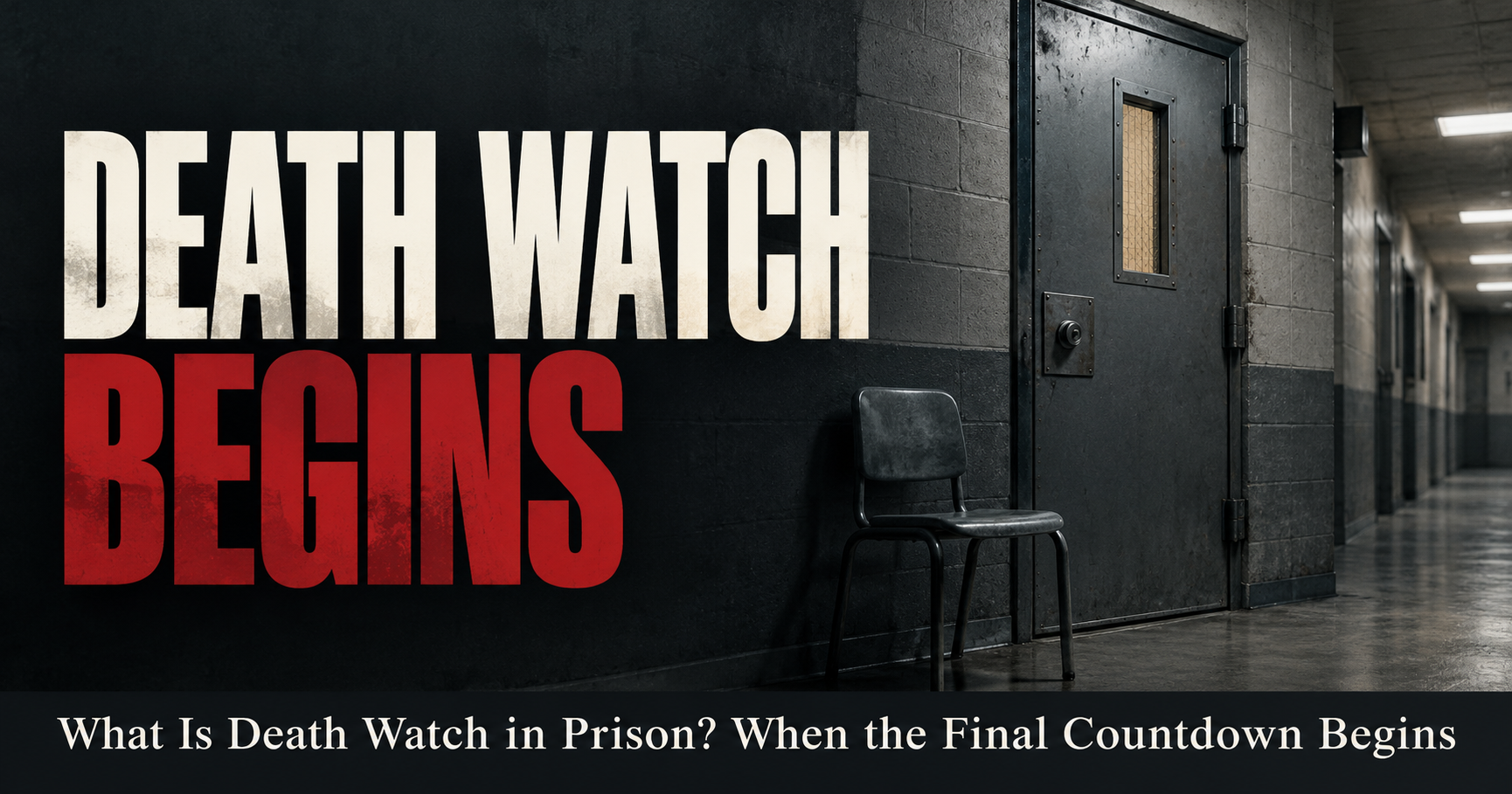
On September 2, 1724, Maggie was hanged in the Grassmarket, below Edinburgh Castle.
This was a public execution. People could gather to watch the state carry out its sentence.
The location matters because the hanging was part of the life of the city. The crowd did not enter a remote prison chamber. Death was brought into a public space.
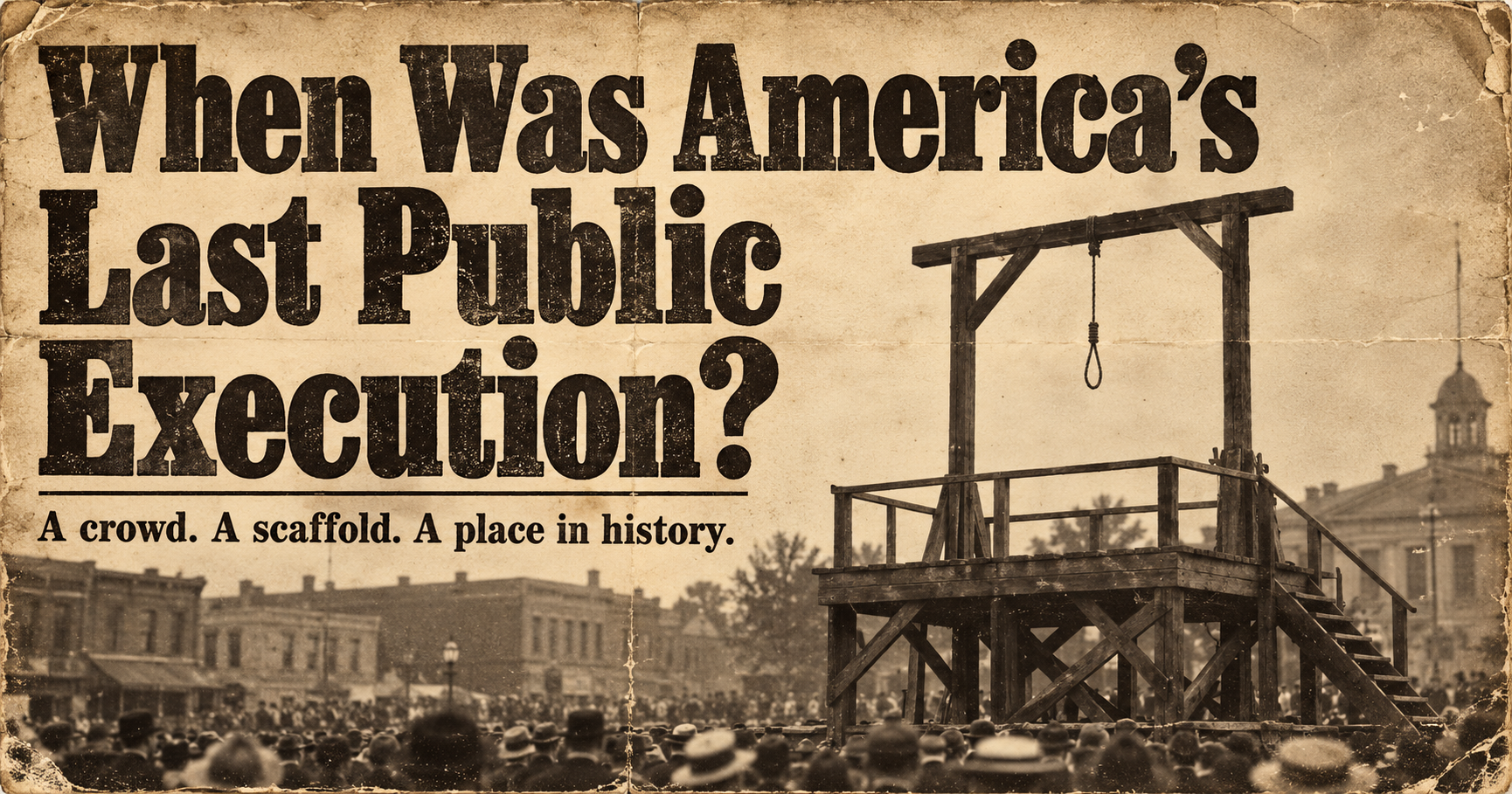
Our account of how public executions differed from later witness-only proceedings examines that distinction in American history. Maggie’s execution belonged to an earlier Scottish setting where the crowd was physically present.
Historical descriptions say she remained suspended for the customary period before being taken down.
To those responsible for her body, the next task was burial.
Nobody was preparing for a recovery.
The Coffin on the Road to Musselburgh
Her family obtained her body and began taking it toward home.
The traditional account places the discovery of her survival at Peffermill, where the party stopped during the journey.
People heard noises from the coffin. When it was opened, Maggie was found alive.
The longer historical version includes a struggle over possession of her body involving surgeon-apprentices. In that account, damage to the coffin allowed air inside. Later writers suggested that this, along with the movement of the cart, contributed to her revival.
Those explanations should be treated as historical speculation, not a medical finding.
What matters most is the sequence: she was hanged, removed as a presumed corpse, and discovered alive before burial.
There is no need to invent darkness, scratching fingernails, or a scream from beneath the lid.
The people accompanying that cart had set out to bury someone they knew.
Now they had to help her recover.



How Could Someone Survive a Hanging?
The honest answer in Maggie’s case is that we do not know the exact combination of circumstances.
The hanging had not killed her, even though observers believed it had. Recognition of that mistake came after her body had left the execution site.
Popular explanations offer more certainty than the evidence supports.
One version says the rope broke. Another credits an arrangement with the person who supplied it. Other stories suggest that Maggie persuaded the hangman to spare her or managed to protect herself because her hands were not properly secured.
These stories explain an extraordinary outcome with a secret trick.
None should be presented as the established reason she survived.
She Was Not Demonstrably Dead and Brought Back to Life
“Came back from the dead” is an understandable way to describe the shock of finding her alive.
It is not something the evidence can prove.
Maggie had survived an execution and been mistaken for dead. There is no reliable basis for saying her biological death had occurred and then been reversed.
That leaves plenty to be frightened by.
The error had carried her from the gallows into a coffin and onto the road to a grave.
Why Didn’t They Hang Maggie Dickson Again?
Her survival created a legal problem as well as a public sensation.
Historical accounts explain her release through the Scottish understanding that the sentence had already been carried out. She had undergone the hanging.
Legal historian Cassie Watson’s discussion of failed executions under historical Scots law also notes David Hume’s suggestion that a quiet pardon was the simplest way of handling such situations.
That is more complicated than the familiar claim that Maggie found a loophole because the judge forgot to say “until dead.”
We should be careful about assigning an exact phrase the power to explain everything that followed.
What can be said is that she was not taken back and successfully executed.
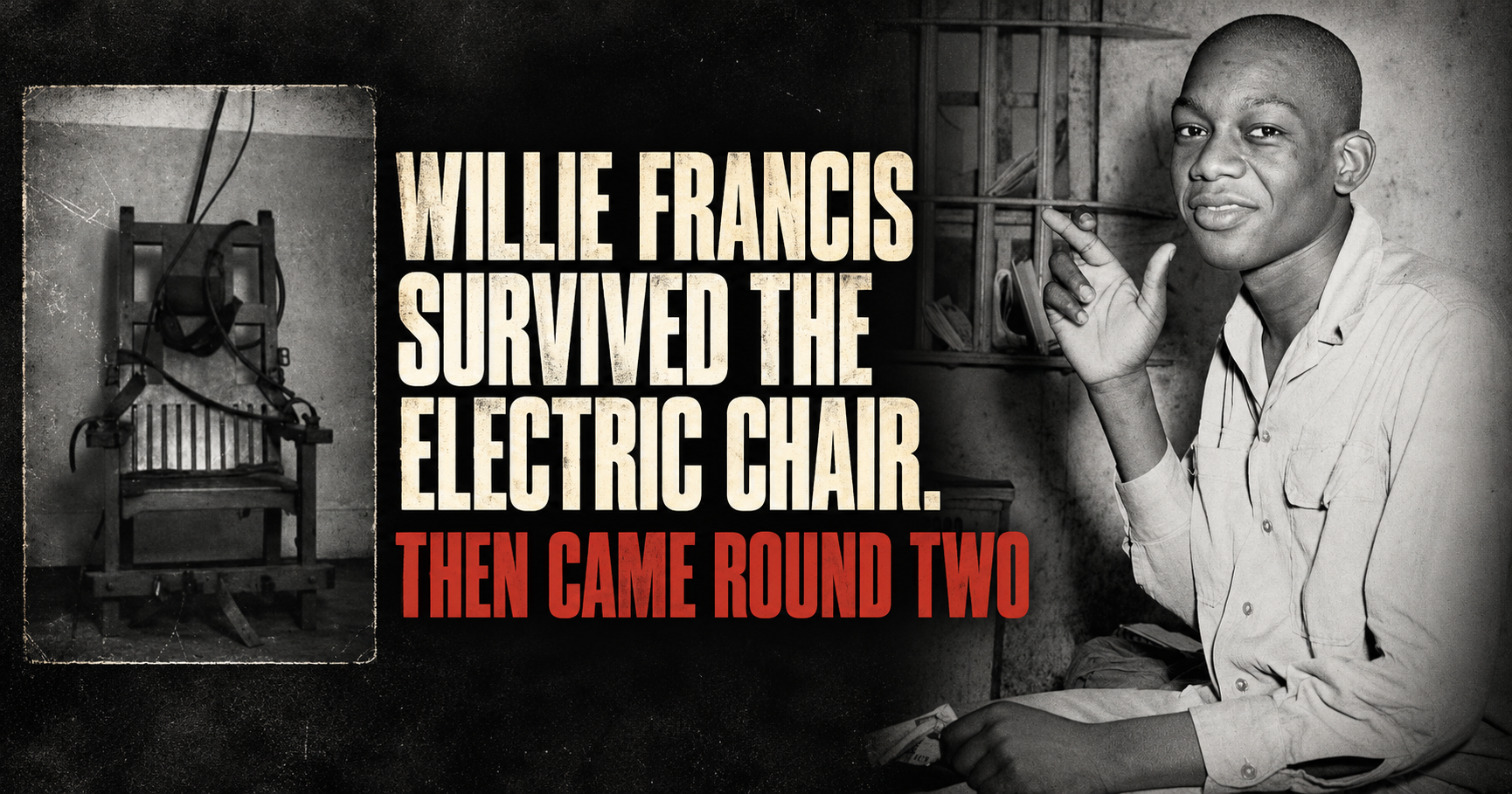
It also does not establish a rule for other countries or centuries. In Louisiana, Willie Francis survived the electric chair and was executed the following year. His case operated under a different legal system.
Maggie’s outcome was hers.
The Printed Confession That Couldn’t Tell the Whole Story
One of the strangest surviving objects connected to Maggie is a publication describing her supposed last speech, confession, and warning.
Its title identifies her execution as Wednesday, September 2, 1724.
A reader encountering the publication preserved in the Wellcome Collection meets a woman presented through the language of condemnation and finality.
But her life continued.
Printed execution accounts were a business. They supplied speeches, warnings, moral lessons, and sensational details to a paying audience.
The National Library of Scotland explains that many supposed scaffold speeches and confessions were invented. Their existence is evidence of what publishers circulated, not automatic proof that every attributed word was spoken.
That distinction gives Maggie’s story another uncomfortable layer.
A printed account could announce who she was, what she had done, and what her death meant. The living woman did not necessarily fit the story being sold about her.
What Happened to Maggie Afterward?
She recovered and lived for many years after the hanging.
Accounts describe a reunion with her husband and further family life. Popular versions give her another forty years, but precise dates and details of her later life vary.
The extraordinary nickname endured.
Half-Hangit Maggie was memorable enough to outlast the people who watched her execution. In Edinburgh’s Grassmarket, a pub bearing her name carries that memory into the present.
There is something worth pausing over there.

A person can survive an event and still become permanently identified by it. Maggie’s ordinary later days, whatever they held, are much harder to recover than the journey in the coffin. The same tension appears in how a person becomes identified by a dramatic event, where a dramatic historical association can overshadow what the surviving evidence actually establishes.



Questions About Maggie Dickson
Was Maggie Dickson a real person?
Yes. Margaret Dickson was a real Scottish woman who survived a hanging and became known as Half-Hangit Maggie. Her case appears in historical scholarship and publications associated with the execution.
When was Maggie Dickson hanged?
September 2, 1724, is supported by a publication printed that year and used in modern scholarship. Some later accounts give conflicting dates.
Did Maggie Dickson wake up inside her coffin?
Historical accounts describe her being discovered alive in the coffin during the journey from Edinburgh toward Musselburgh. The familiar version places the discovery at Peffermill.
Did the rope break?
That is one explanation found in popular retellings, but it is not established as the reason she survived. The exact medical circumstances remain uncertain.
Was she innocent?
She maintained that she had not murdered her baby. Historian Mikki Brock argues that the evidence was extraordinarily weak and the infant was almost certainly stillborn. The surviving story does not justify confidently presenting her as a proven child killer.
Does surviving an execution mean someone must be released?

No. Maggie’s release belongs to her particular historical and legal circumstances. Modern cases show that surviving an execution attempt does not automatically cancel the sentence, and outcomes depend on the applicable law and subsequent decisions.
Why is she called Half-Hangit Maggie?
“Hangit” means “hanged.” The nickname refers to her surviving the execution. It does not tell us precisely how long she was suspended or how close she came to death.
For the people who found her alive, there was no need for a nickname yet. There was a coffin to open, a woman to care for, and a burial that could no longer proceed.
About the Author
The Stories in the Static team explores unsettling history, unusual survivals, and the real people behind familiar legends. Discover more carefully researched accounts at Stories in the Static.