

When Anne Greene’s coffin was opened, the people around it were expecting a body they could dissect.
Then she took a breath.
There was a rattling sound in her throat. The woman who had been hanged in Oxford was still alive.
I keep coming back to that moment. Someone had already decided her life was over. She had been taken down from the gallows, put into a coffin, and delivered for the next use the authorities had assigned to her body. Octavia Hatcher’s coffin legend raises a related question about what can happen when a story of presumed death outlasts the evidence supporting it: Octavia Hatcher’s coffin legend
One breath changed what the men in the room were there to do.
Anne Greene survived a hanging in Oxford on December 14, 1650. William Petty, Thomas Willis, and others helped revive her after signs of life were detected before the planned dissection. She recovered and eventually received a pardon.
The exact reason she survived cannot be established from the historical record.
What we do have is an unusually detailed account of what happened afterward. And the closer you look, the harder it becomes to treat Anne as merely “the woman who woke up before an autopsy.”
Who Was Anne Greene Before the Hanging?
Anne was a domestic servant in the household of Sir Thomas Read at Duns Tew in Oxfordshire.
She was about twenty-two.
She became pregnant by Read’s grandson, Geoffrey. The early account describes his repeated approaches and promises before the relationship that led to the pregnancy.
There is an obvious imbalance in that setting. Anne worked in the household. Geoffrey belonged to the family employing her.
After a premature delivery, the infant’s body was discovered where she had given birth. Anne maintained that the child had been born dead.
She was accused of killing it.
For the people making decisions about her future, the hidden birth and the dead infant became grounds for prosecution. For Anne, they were circumstances she could not explain convincingly enough to save her life.
She was convicted of murder and sentenced to hang.
The Evidence That Should Make Us Pause
It would be easy to write that Anne killed her baby and then move straight to the extraordinary execution.
It would also be misleading.
The account published after her survival describes evidence that the infant was severely premature. It includes a midwife’s belief that the child had never lived, along with observations from fellow servants about Anne’s condition before the delivery.
Those details do not let us conduct a new trial almost four centuries later. They do give us reason to question the confident label of “child murderer.”
The early narrative of Anne Greene’s ordeal makes the weakness of the case part of the story.
That is the first thing I would want someone to know about her.
Before she became a medical marvel, she was a young woman insisting that the death she was being punished for had not been a murder at all.
A Disturbing Parallel With Maggie Dickson

Anne’s case has an uncomfortable resemblance to Maggie Dickson’s journey from a public hanging to a coffin she survived.
Both women were condemned after the deaths of newborn children. Both maintained that they had not committed murder. Both became famous because an execution failed to kill them.
Their cases happened in different legal systems, decades apart.
But the human question is similar: how did an uncertain infant death become a reason to put the mother on a scaffold?



What Happened at Anne Greene’s Hanging?
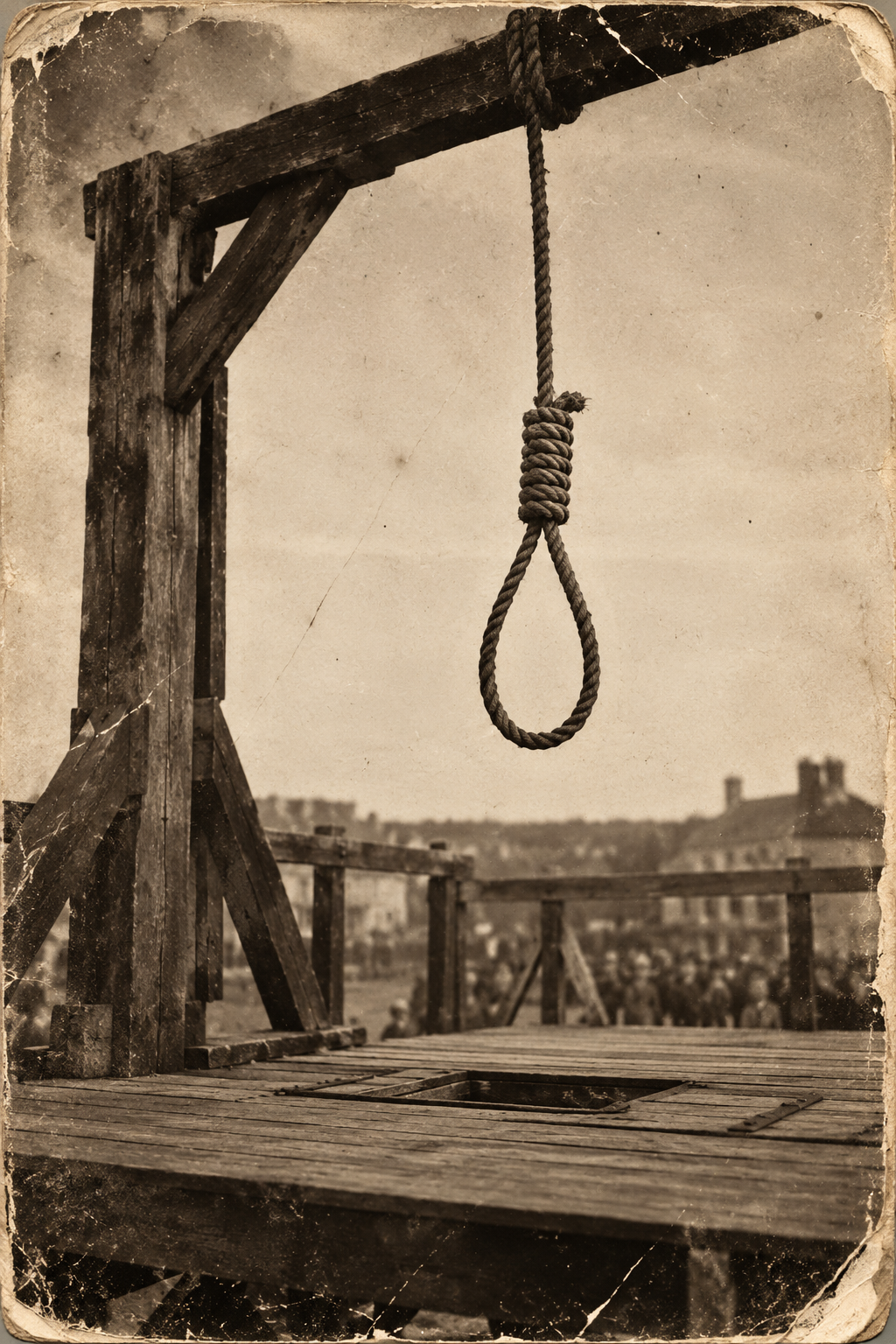
On December 14, 1650, Anne was hanged at Oxford.
This was before the later long-drop method associated with an attempt to cause a rapid neck injury. The early narrative describes her being turned from a ladder and left suspended.
It says she hung for approximately half an hour.
People pulled at her legs and struck her body, reportedly trying to hasten her death and shorten her suffering. The undersheriff eventually stopped the pulling because of concern that the rope might break.
That detail is awful to read.
People described as trying to help her were adding force to an execution already in progress. Their intention, as recorded, was to get it over with.
By the time she was cut down, those responsible believed she was dead.
Her body was placed in a coffin.
Why Was Her Body Going to Be Dissected?
Executed prisoners were a source of bodies for anatomical teaching.
At Oxford, arrangements allowed the anatomy reader to claim certain bodies for dissection. Anne’s was delivered to the lodging of William Petty, who held that role.
The purpose was to examine a corpse.
That is worth stating plainly because later versions can make the scene sound like a hospital receiving a critically injured patient. She had not been sent there for lifesaving treatment.
The history of anatomy teaching at Oxford places cases like hers within a medical system that used the bodies of condemned people for instruction.
In Anne’s case, the plan brought her into contact with people who could help her survive.
The same arrangement that would have allowed them to dissect her also placed her where someone recognized that she was still breathing.


The Breath Inside the Coffin
The early account describes a breath and a rattling sound in Anne’s throat.
That was enough to interrupt the expectation of death.
William Petty and Thomas Willis became central figures in the effort to revive her. Other people assisted.
Their work changed direction. A body intended for anatomical examination became a living person requiring care.
You do not need to add a descending knife or a sudden scream to make that frightening.

The real uncertainty is worse: how close could she have come to being treated as a corpse if the signs of life had been missed? That same problem—recognizing a faint sign of life—shaped the inventions examined in how safety coffins detected life.
The record cannot answer that hypothetical. It tells us that, on this occasion, they were noticed.
How Did the Doctors Bring Anne Greene Around?
The treatment belonged to seventeenth-century medicine.
It included efforts to warm her, rub her limbs, and stimulate a response. The account also describes drinks, bloodletting, and other measures that should not be mistaken for modern resuscitation.
She was eventually placed in a warm bed with another woman beside her to help keep her warm.
I find that last detail unexpectedly moving.
After the scaffold, the blows, and the coffin, the treatment included the ordinary warmth of another human body.
A medical-history examination of Anne’s resuscitation describes the observations made as she recovered. The physicians watched her pulse, responses, hearing, sight, and ability to understand questions.
It was a process of watching for small improvements.
She did not simply open her eyes, make a speech, and walk away.
Recovery Came in Stages
The account describes speech returning over the following hours and more complete responses developing afterward.
Within days, she could eat solid food. Recovery continued over the following weeks.
There were gaps in her memory around the execution and revival.
That makes the story more believable to me than the polished version in which every moment becomes available for a dramatic retelling.
We know much more about what others said they saw than about what Anne experienced while she was unconscious.
Was Anne Greene Really Dead?
She was believed dead. That does not establish that she had died in the irreversible sense we normally mean.
The historical language of resurrection reflects how people understood an extraordinary survival.
Modern medical historians have examined the episode as an early case of resuscitating someone presumed dead.
There were no modern monitors recording what happened during the hanging. We cannot work backward from her recovery to confidently assign exact periods without circulation or oxygen.
The strongest statement is also the simplest: the hanging had not killed her, and care after the discovery of life helped her recover.
Her survival is remarkable without claiming that death itself was reversed.
Why Wasn’t She Taken Back to the Gallows?
Surviving did not automatically make Anne safe.
While efforts were being made to restore her, the undersheriff sought a reprieve so that she would not be returned for another execution if she recovered.
Authorities interpreted her preservation in religious terms. Her survival was taken as a reason to spare her, and a pardon followed.
That required decisions by people with the power to stop another hanging.
It was not a universal rule that anyone who survived an execution had served the sentence and must go free.

Our account of what can happen when an execution attempt fails explains why that familiar assumption does not hold across cases.
Anne needed more than a pulse.
She needed the authorities to agree that keeping her alive would not simply postpone another trip to the gallows.


The Strangest Thing Anne Took Home
After recovering, Anne left to stay with friends in the country.
She took the coffin with her.
That detail appears in the early narrative. It is not necessary to invent it for atmosphere.
I cannot know what the object meant to her. A reminder of deliverance? Proof of what had happened? Something she could scarcely believe she had occupied?
The account presents it as a trophy of her preservation.
Whatever Anne herself thought, it had already held the body that other people believed was hers to bury or dissect.
Now she could leave with it.
What Happened to Anne Greene Afterward?
Later accounts say she married and had children.
Details about the length of her later life differ, so claims that she lived to a great old age should be treated cautiously.
Her survival attracted attention almost immediately. Pamphlets appeared, along with poems responding to the event. Newes from the Dead, published in 1651, preserved the account that still anchors much of the story.
The doctors became part of medical history.
Anne became the woman who survived hanging.
Neither description captures everything that had happened to the servant from Oxfordshire who had insisted her baby was stillborn.
Questions About Anne Greene
When did Anne Greene survive hanging?
She survived a hanging at Oxford on December 14, 1650. The date appears in the title of the account published the following year.
Was she already being dissected when she woke up?
The accounts used here describe signs of life being recognized before the planned dissection proceeded. Saying she survived a surgeon cutting her open adds an event the evidence does not establish.
Who helped save Anne Greene?
William Petty and Thomas Willis were central to the effort, assisted by others. They switched from preparing for anatomical examination to caring for a living patient.
Why was she sentenced to death?
She was convicted of murdering her newborn child. She maintained that the infant was stillborn, and the historical account describes evidence supporting serious doubts about the accusation.
Did she receive a pardon?
Yes. A reprieve protected her from being returned to execution while a pardon was pursued, and historical biography records that a pardon was granted.
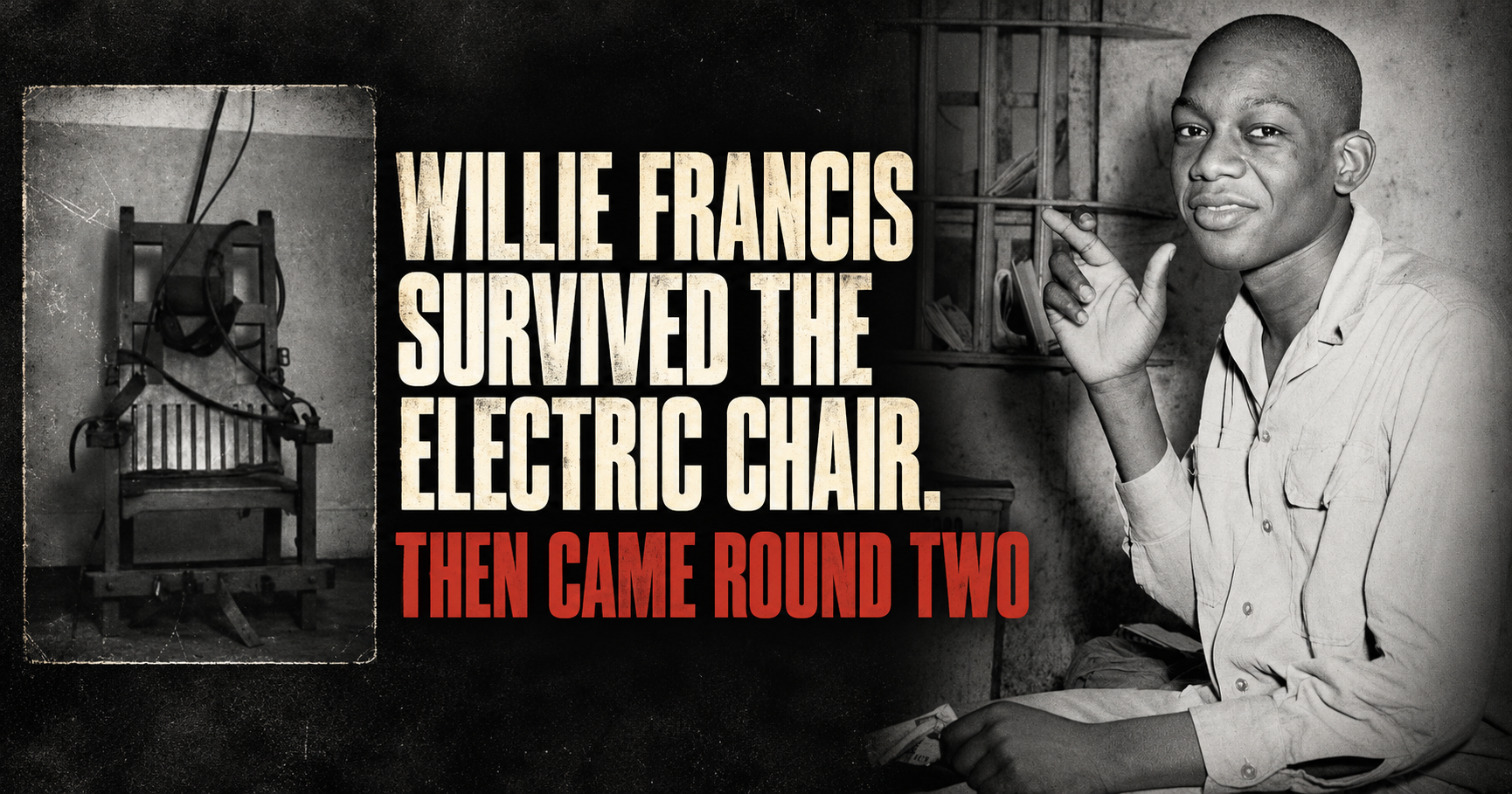
Her outcome was different from Willie Francis’s survival and the second execution that followed. Surviving the procedure and escaping the sentence were separate achievements.
Why is her name sometimes written Anne Green?
Historical publications use both Green and Greene. Searching either spelling can lead to the same Oxford case.
Did she really keep her coffin?
The early account says she took it with her when she left for the country after recovering.
That is where I would leave the image of Anne: able to depart, with a future still ahead of her, taking away the wooden box in which everyone else had expected her story to end.
About the Author
The Stories in the Static team explores unusual survivals, unsettling history, and the people behind stories that sound impossible. Read more carefully researched accounts at Stories in the Static.